

“The Summer Day”
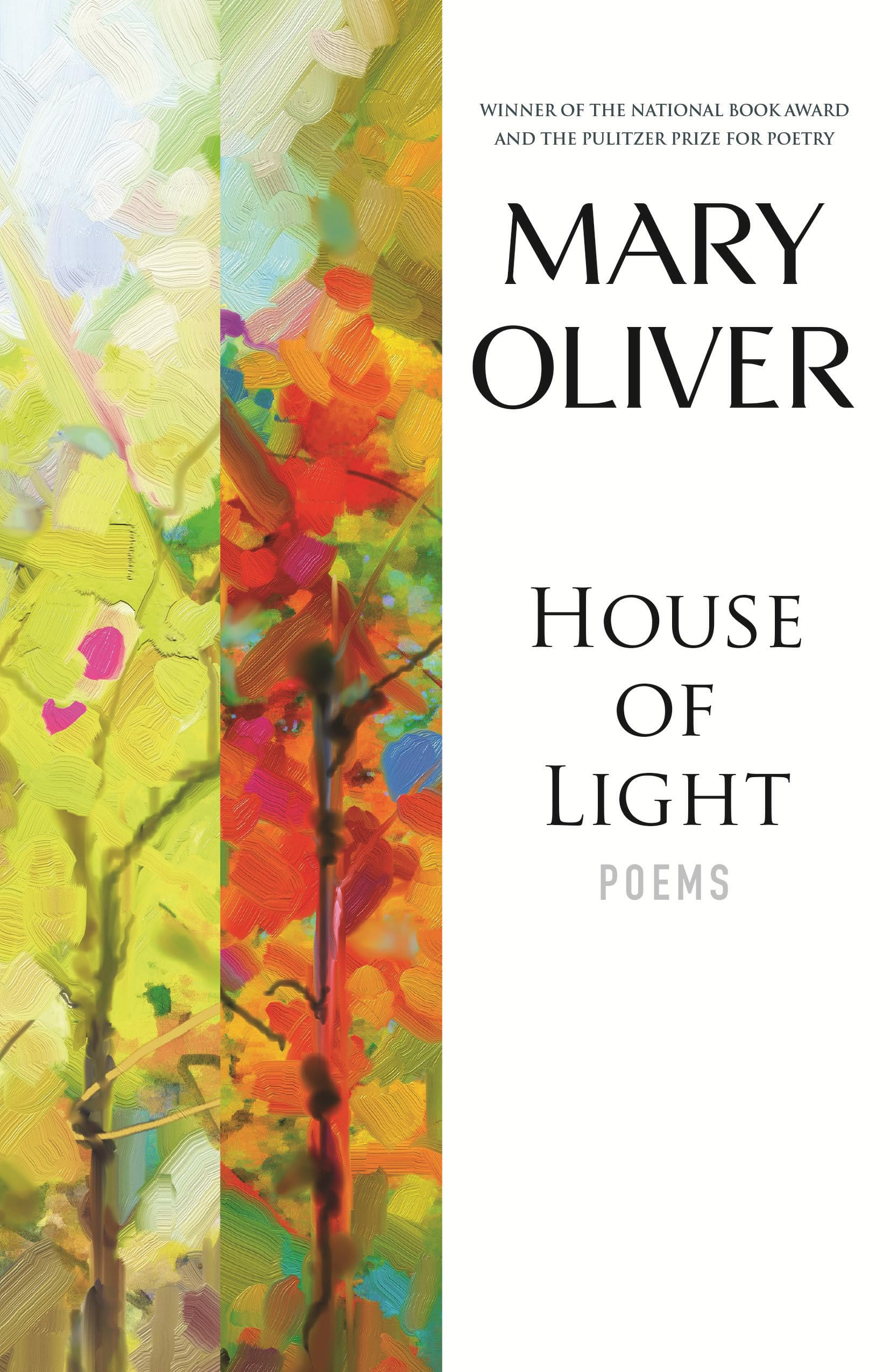
Part of the magic of Mary Oliver’s poetry is the way we read one of her poems and then suddenly encounter a phrase that cuts to our core. In one of her most quoted poems, “The Summer Day,” we reach the end of the poem, after examining a grasshopper, with the astounding question:
Tell me, what is it you plan to do
with your one wild and precious life?
Although this poem is her most well-known, many of her poems embrace a similar structure—a kind of wandering and observing in nature followed by a piercing insight that lifts us up and speaks to our larger existence beyond one particular moment.
This has always been one of the great joys for me of reading literature. We’re reading along and suddenly we come across a sentence or a phrase that makes it all worth it. Perhaps this is why I love Shakespeare’s plays so much. He, like Mary Oliver, consistently delivers poetic insights. One of my favorite moments in Hamlet occurs in Act I, when Hamlet responds to the appearance of his father’s ghost with the observation:
“There are more things in heaven and earth, Horatio, than are dreamt of in your philosophy”
These nuggets of wisdom are why I read with pen in hand, marking each resonant line I come across in a book of poetry or a novel.
A Calendar of Wisdom
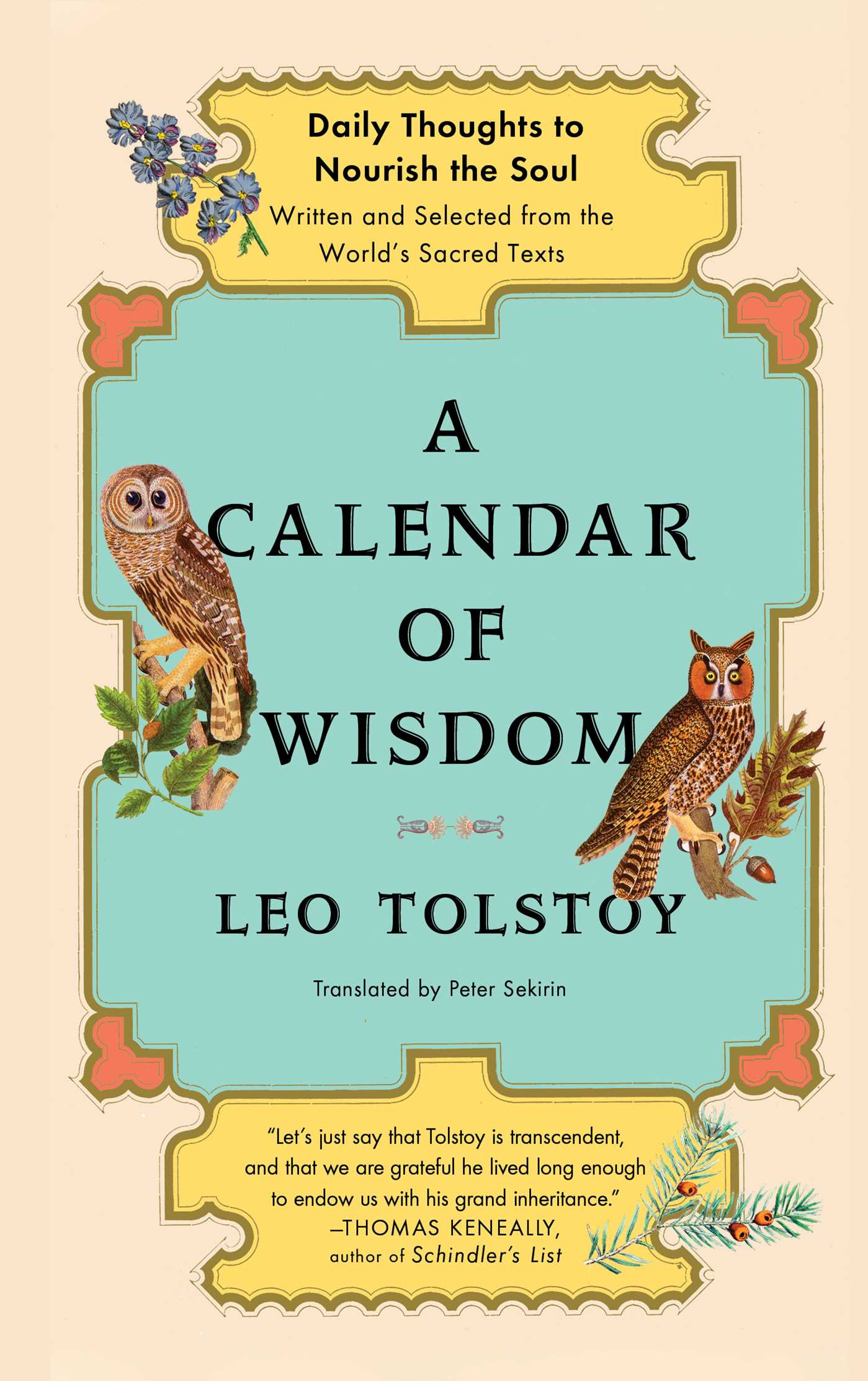
Leo Tolstoy seemed to have something similar in mind when he assembled and wrote A Calendar of Wisdom at the beginning of the 20th century. Each page of his book is a day of the year. He collects quotes that speak to him and then offers his own insights about his selected quotes. He might at one point quote Ralph Waldo Emerson:
The joy of your spirit is the indication of your strength.
And then on the same page offers his own response:
You must believe in the possibility of happiness in order to be happy.
Tolstoy’s book reminded me of when, in high school, I first read the transcendentalists—primarily Thoreau, Emerson, and Whitman—marking insights along the way, many of which have remained with me throughout my life.
Braiding Sweetgrass
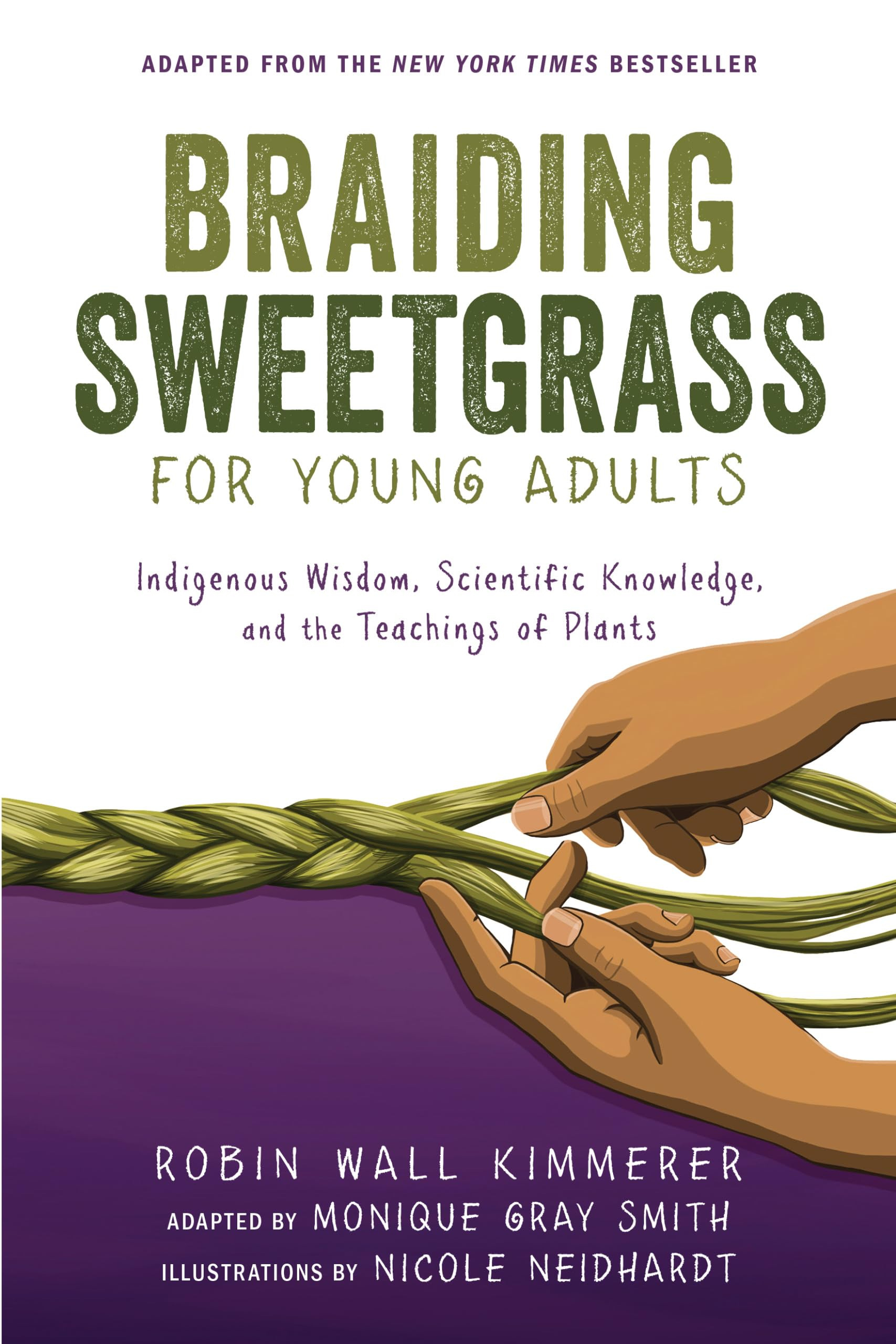
I’d bought Tolstoy’s Calendar of Wisdom many years ago and it gathered dust on my shelf, largely forgotten. Then recently I was teaching Braiding Sweetgrass, Indigenous Wisdom, Scientific Knowledge, and the Teaching of Plants by Robin Wall Kimmerer. To prepare, I began reading her book, pen in hand, considering what sections to focus on for class. I found myself underlining sentence after sentence. I thought about the fact that, in classrooms, we often teach students to “mark up text” and emphasize “choosing importance,” yet we rarely talk about the deeper purpose behind those acts. Underlining text is a precious act, a conversation between the reader and the writer. It is a response, saying I hear you, this means something to me, and I want to acknowledge it, keep it, and remember it in the future.1
In reading Braiding Sweetgrass, I found myself on a journey to understand what Kimmerer refers to as the “indigenous wisdom” within the book. When I read any book, I’m looking for what wisdom the author might offer—I’m considering what I want to take with me from the experience of visiting another person’s mind.
All of these ideas, however, are very abstract. I’m not sure if I was quite there as a high school student, and most of our students aren’t even close to wanting to read for wisdom (or even wanting to read for entertainment for that matter). I began to think about a concrete way for students to notice moments in a text that truly speak to them, beyond the “reading strategies” like making “text-to-self connections” that are often taught as quick activities that rarely help students understand the deeper reasons behind why we, as human beings, read books.
As we explain in our book A Reason to Read, when we approach a text, we look for ways to actually do something concrete with the text. As much as we’d like students to read “for the sake of reading,” as difficult as that always might have been for many students in the past, it is even more challenging now with the ubiquity of screens, as evidenced by what the New York Times recently highlighted as a “generation-long decline” in reading scores.
A Book of Wisdom
Before beginning to read Braiding Sweetgrass, I told students that we were going to create an individual and collective “Book of Wisdom” modeled after Tolstoy’s calendar. As they read the book, they would “underline any lines, phrases, or even words that speak to you.” I shared what this looked like in my own reading of the chapter, “Asters and Goldenrod.” Near the end of this chapter Kimmerer writes, “To see if in some way, the songs and our stories could help people fall in love with the world again.” What strikes me about this quote, and Braiding Sweetgrass in general, is that in writing a science book about biology, she writes about the beauty of nature and falling in love with the natural world (which reminds me again of Dan Bisaccio’s teaching story from my last article, A Purple Pedagogy).
As students search for quotes, I explained that it is important to select the quote and to explain their thinking behind it. When we listen to others’ interpretations, it deepens our own by offering us another way of seeing the world. It’s also important to put our thinking into words. As E.M. Forster famously wrote about the process of writing in his book, Aspects of a Novel:
How can I tell what I think till I see what I say?
We see this in Tolstoy’s A Calendar of Wisdom. Tolstoy first selects quotes others have written (from such varied sources as Lao-Tzu, Marcus Aurelius, the Bible, the Talmud, Lucy Mallory, and Confucius). He follows each entry with his own response—his own reason for selecting the quote and why it speaks to him.
We often think of students’ responses to quotes as dry and analytical (think of weekly “response” papers ubiquitous in college classrooms). Tolstoy shows how poetic and insightful our own writing can be in response to others—we can be jazz musicians, playing off an original theme, offering our own “words of wisdom.” And this is precisely the goal: for reading to inspire students’ writing—to move them beyond “doing homework” and writing a response because it is assigned—to a space where they are inspired to write their own ideas, riffing off the words and ideas of others.
The Final Product
At the end of the unit, students browse their collection of quotes in their “Book of Wisdom” and identify a single quote—it could be their own or one from Braiding Sweetgrass—they want to contribute to a collective “Book of Wisdom.”
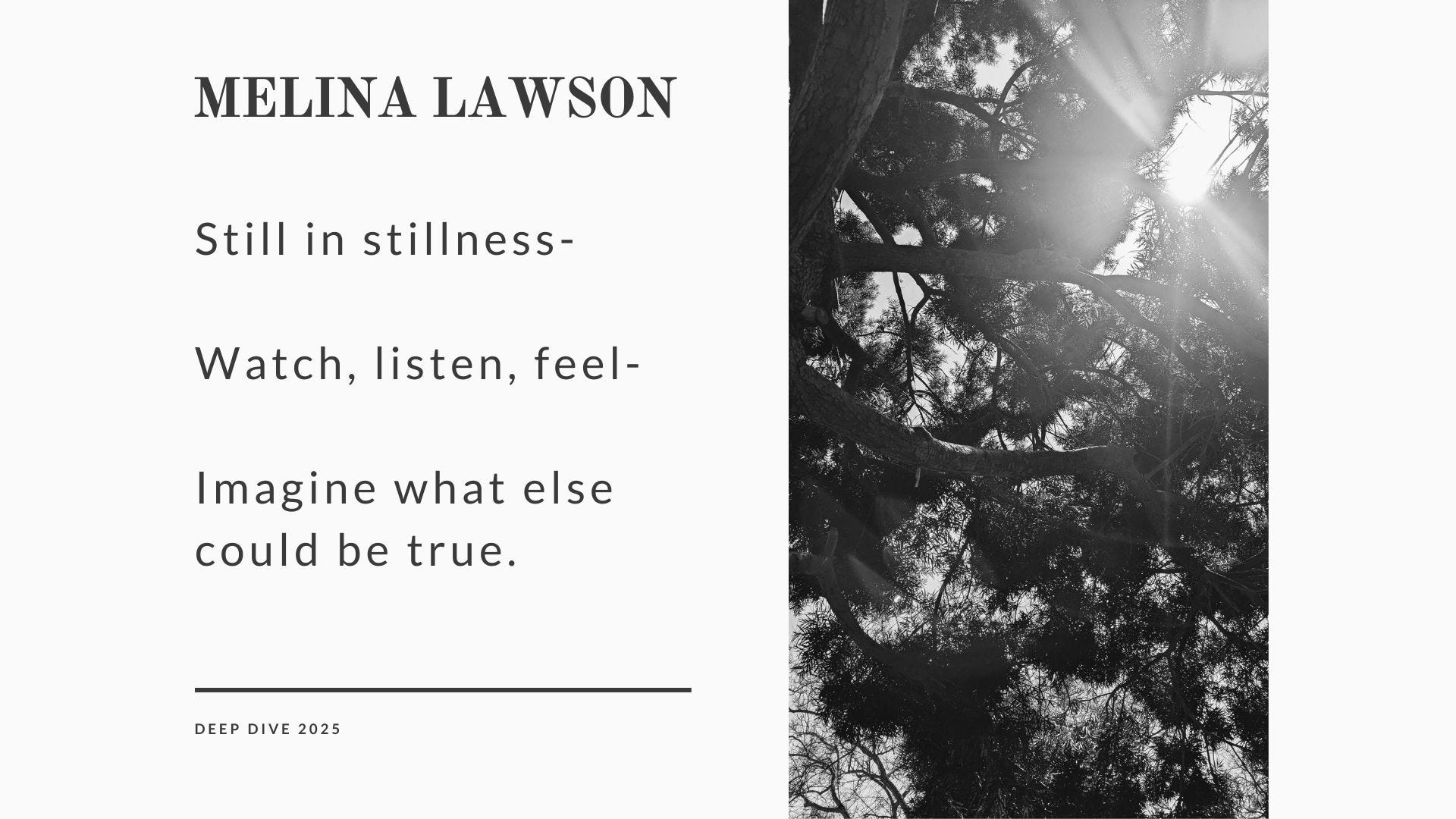
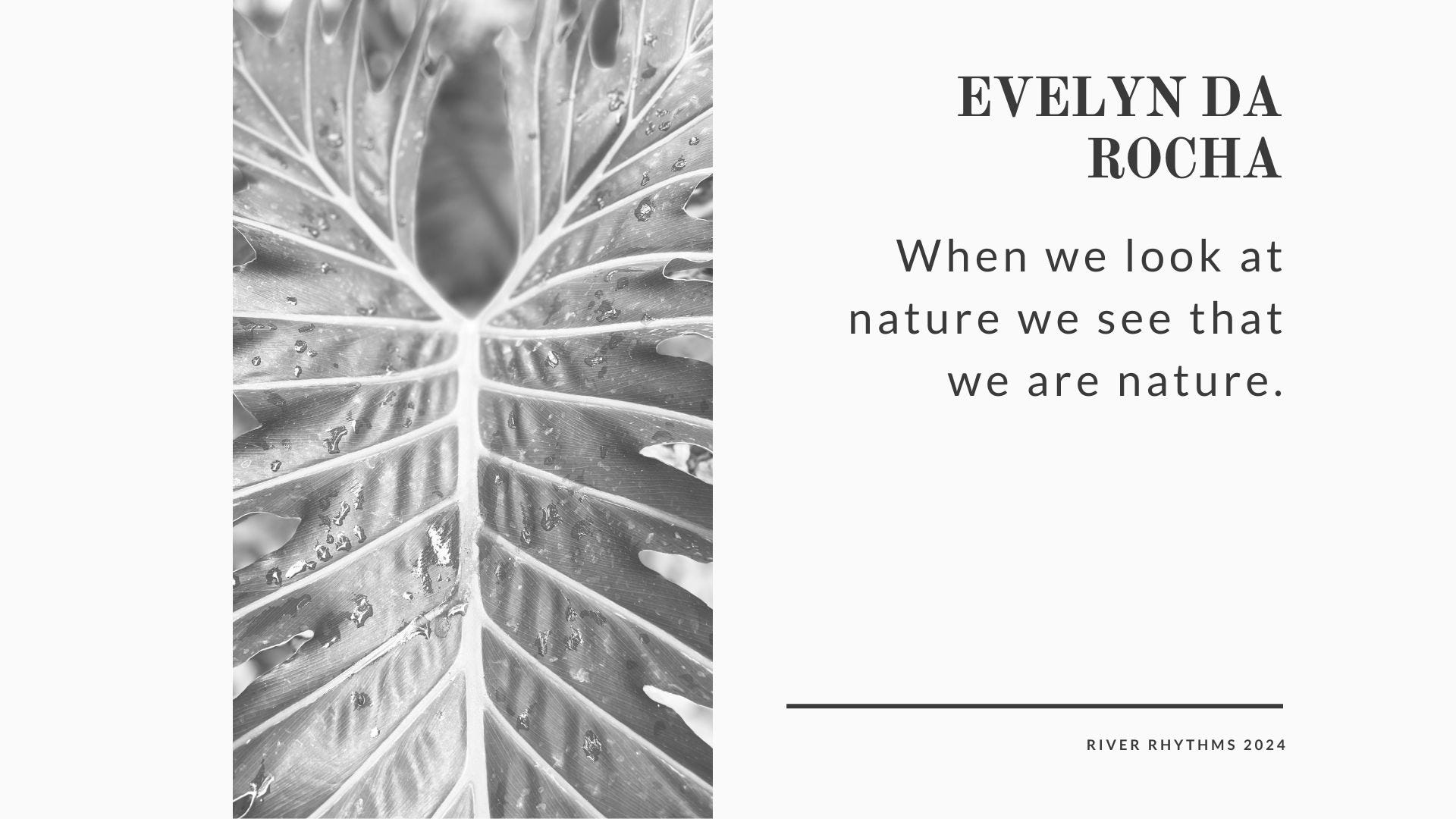
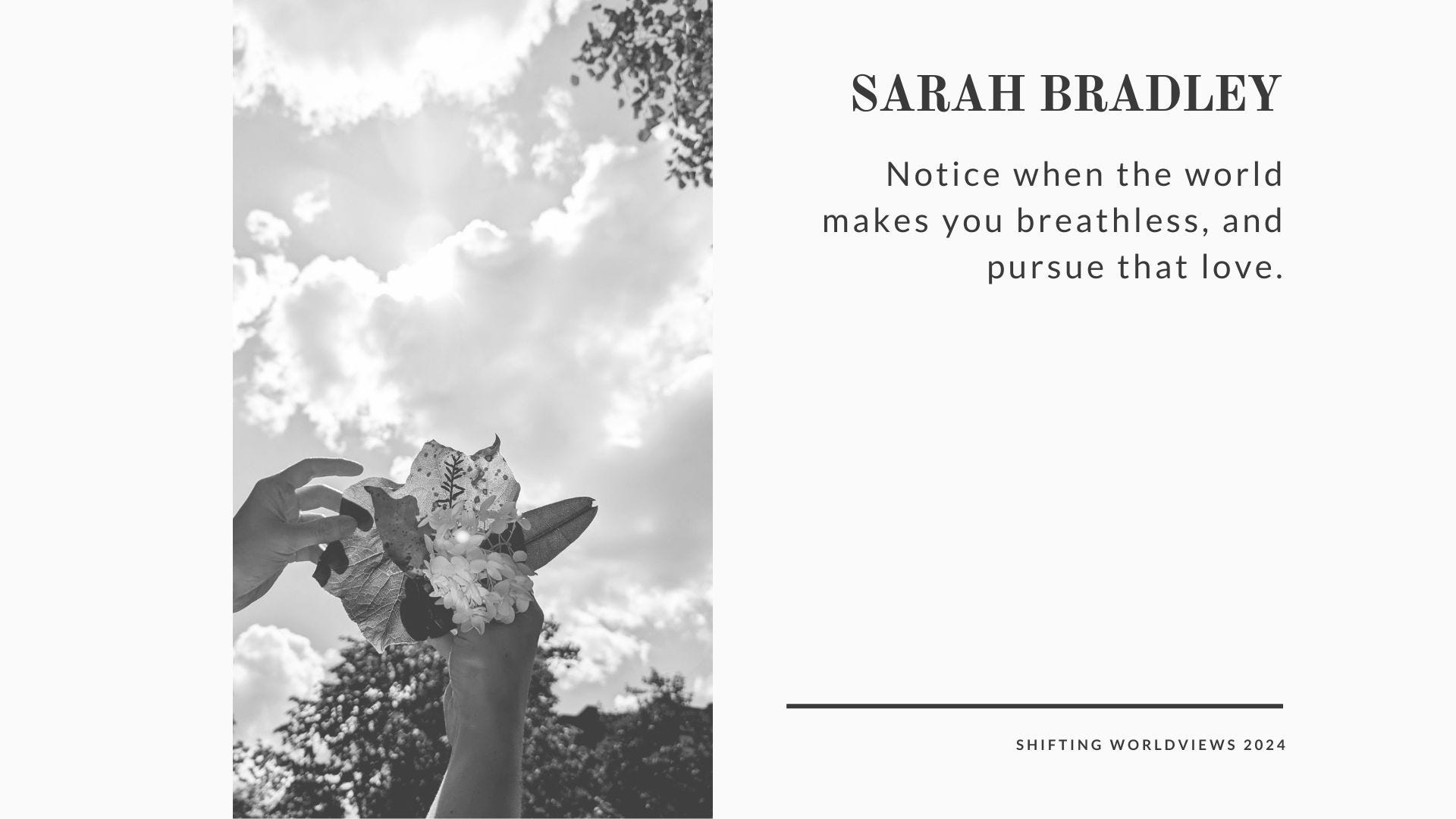
While reading selections from Braiding Sweetgrass, we also undertook a photography project capturing black-and-white images of the natural world in response to the question posed in the book: “Why is the world so beautiful?” The students paired their chosen quotes with black-and-white photographs (and in some cases took entirely new photographs to accompany their chosen “words of wisdom”).
We then collated all the photographs and text into a shared Book of Wisdom.
Although we’ve only created Books of Wisdom in response to a particular text, I can imagine a class creating a Book of Wisdom for an entire year of reading.
We’ve led this experience as a workshop for conferences and for schools. The examples below are from a Deep Dive at a Deeper Learning conference in San Diego, U.S.; The New School of Thought conference in São Paulo, Brazil; and for teachers at Hope High School in Providence, RI.
The Process
Words of Wisdom is an approach for engaging with a text on a deep level, inspired by Leo Tolstoy’s A Calendar of Wisdom. As you read, you will collect words, phrases, sentences, or paragraphs that you feel are worth holding onto.
Materials
Notebook or journal
Focal text or book
Pen, pencil, or highlighter
1. Read and Underline
As you read, underline (or mark up in a way that you prefer) passages that:
seem wise to you
speak to you in some way
change how you see something
seem important for the overall text, perhaps summarizing big ideas
You may select a sentence, phrase, word, or even paragraph.
2. Respond
After selecting a quote, write a short response explaining why you chose it. It doesn’t have to be purely an analytical response. Your response may be poetic, or the quote might be a springboard for your own original ideas or observations about the world.
3. Build Your “Book of Wisdom”
As you collect quotes, have in mind an overall “Book of Wisdom” that is uniquely yours. Feel free to add doodles, sketches, or even printed photographs to your book. Think of it as an “art object” you are developing over time.
4. A Collective Book of Wisdom
At the end of the project, select one quotation and response from your book to share with the class and add to a community “Book of Wisdom.”
Download the process (and revise for your own classroom).
There are certain texts I don’t, of course, read for “wisdom.” Although superhero comic books occasionally offer memorable lines—“With great power comes great responsibility”—we often read different kinds of books for different reasons. I read fantasy, science fiction, and comics for imagination, adventure, and worldbuilding in ways that differ from why I return to writers like Mary Oliver or Shakespeare.
I love all of the books you’ve mentioned here! My copy of Oliver’s “House of Light” is lovingly tattered. I have also been working my way through Tolstoy’s “Calendar of Wisdom.” I find it a great way to end my day.
For next year, I’m thinking about having my students keep a commonplace journal where they collect all of the nuggets of wisdom from books they read during the year. I have a goal of teaching my students to read more, but especially read with a pen in their hands!
I love the idea of pen in hand. Kindle have a cool app that a friend showed me where the app emails you random quotes you have highlighted over the years. It's a great way to be transported back to a time you marked as significant. It's not the same as drawing that line and feeling the significance of your actions, but with so many kids on kindles nowadays, it could be another dimension to explore. Thanks for the inspiration to try it, Kurt!