
Last week I visited North Star Elementary School in Bend, Oregon. Thanks to the support of the school’s parent association, I was able to spend time in classrooms with students, help with several culminating exhibitions, and collaboratively plan with all the teacher teams in the school. The next series of posts will highlight teaching and learning experiences from North Star Elementary.
Part of our work in Bend, Oregon is piloting a new social studies curriculum, one that we are co-creating with the teachers. At the 4th grade level, the students study the 19th Amendment and the women’s suffrage movement in the U.S. and England. Many of the topics, like this one, I would say aren’t immediately engaging to students of this age—religious freedom, women’s suffrage, child labor laws—so much of our work is finding the texts that best present the content, and then finding ways to teach the texts in ways that captivate the students.
Finding the Right Book
The principal of the school, Beth Martin, often asks me how I choose the books to use in curriculums, workshops, or classrooms. Over the years I’ve internalized several criteria which include art, story, content, and concept.
1. Art and Illustrations
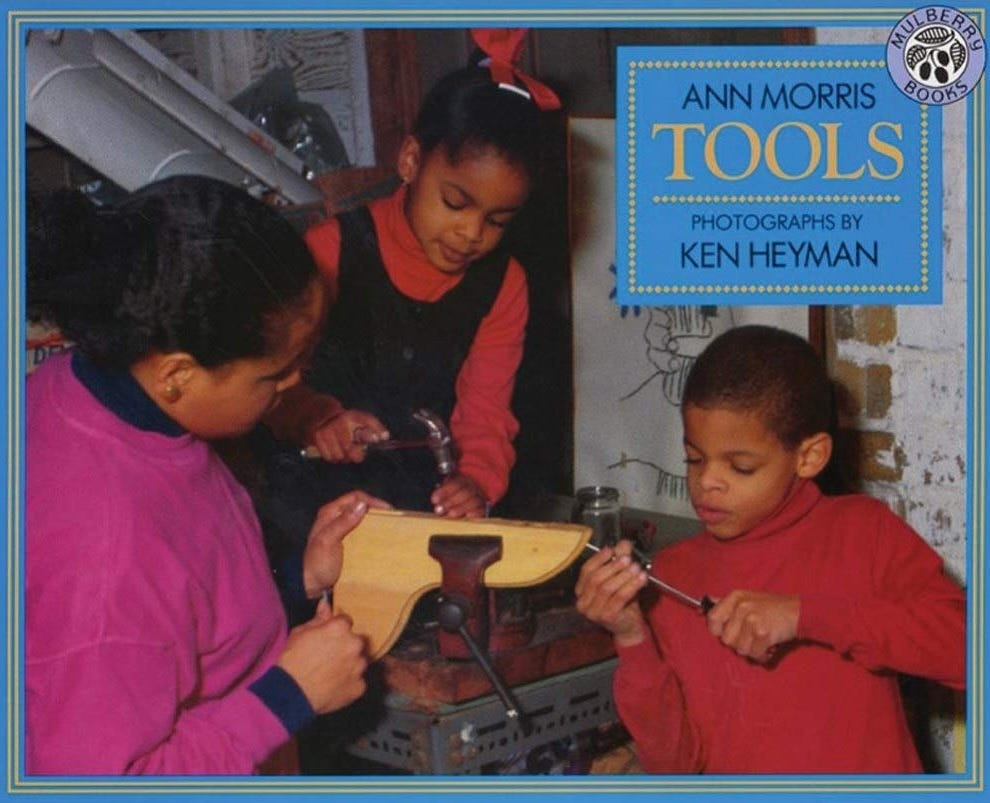
For children’s books I first look at the art and graphic design. Art is, of course, subjective, so it’s kind of a gut call whether the book is visually appealing or not. If the illustrations feel like they were made “for educational purposes” or the book feels overly dated we put it aside. For instance, we decided not to use this book, Tools, that is an anchor text in the EL curriculum. Not only are the photographs dated, but many of them aren’t culturally appropriate.
Art and graphic design do matter. When I first began teaching high school English, I remember having conversations with my colleague in the English department, John Hanlon. When we chose which books to purchase for the school, we looked at the cover, the font, the quality of pages—the book as object itself was important (I remember we chose the Vintage edition of many books back in the 90s).
When we offer students books with compelling illustrations, like those of Rafael López, we send the message that the book itself does matter.


2. Story
It may seem obvious that the story the book tells is important, but it’s remarkable how many children’s story books have no narrative at all. The ones I quickly dismiss are books that seem overly didactic. Books like the following:


I certainly agree that themes like friendship, community, and diversity are important, I just don’t want to spend time in the classroom on decontextualized themes.
When I’m looking for books I try to see through the eyes of students at that age. Many children’s books seem to not be written with the kids in mind. There are other authors that are masters at connecting to the lived worlds of children—writers like Mo Willems, Oliver Jeffers, Jon Klassen, and Jacqueline Woodson.


3. Perspective
In all the books I select I want them to tell stories both through art and text in different ways, representing different perspectives, and ways of seeing the world. I could have used the word “diversity” of authors here, but I think perspective encompasses more possibility in what might be achieved in book form. Perspective includes stories told by a wide range of storytellers from different age groups, orientations, and cultures. Perspective also includes new ways of seeing the form of the book itself—with characters breaking the 4th wall speaking directly to the reader or picture books with no pictures.


4. Content
When teaching a subject other than Language Arts, I ensure the book dives deeply into the content that I want students to know. This may seem obvious, but in working with schools, I’m often shocked by how many books based on a particular subject area have very little content in them, even books chosen for for often adopted curriculums.
When we built a unit around the “lifecycle of the bee” I read dozens of children’s books about bees. Few of them actually communicated very much about the biology of the bees themselves. I’ve seen this with books about nearly every subject, but particularly in units focusing on weather, oceans, and outer space.
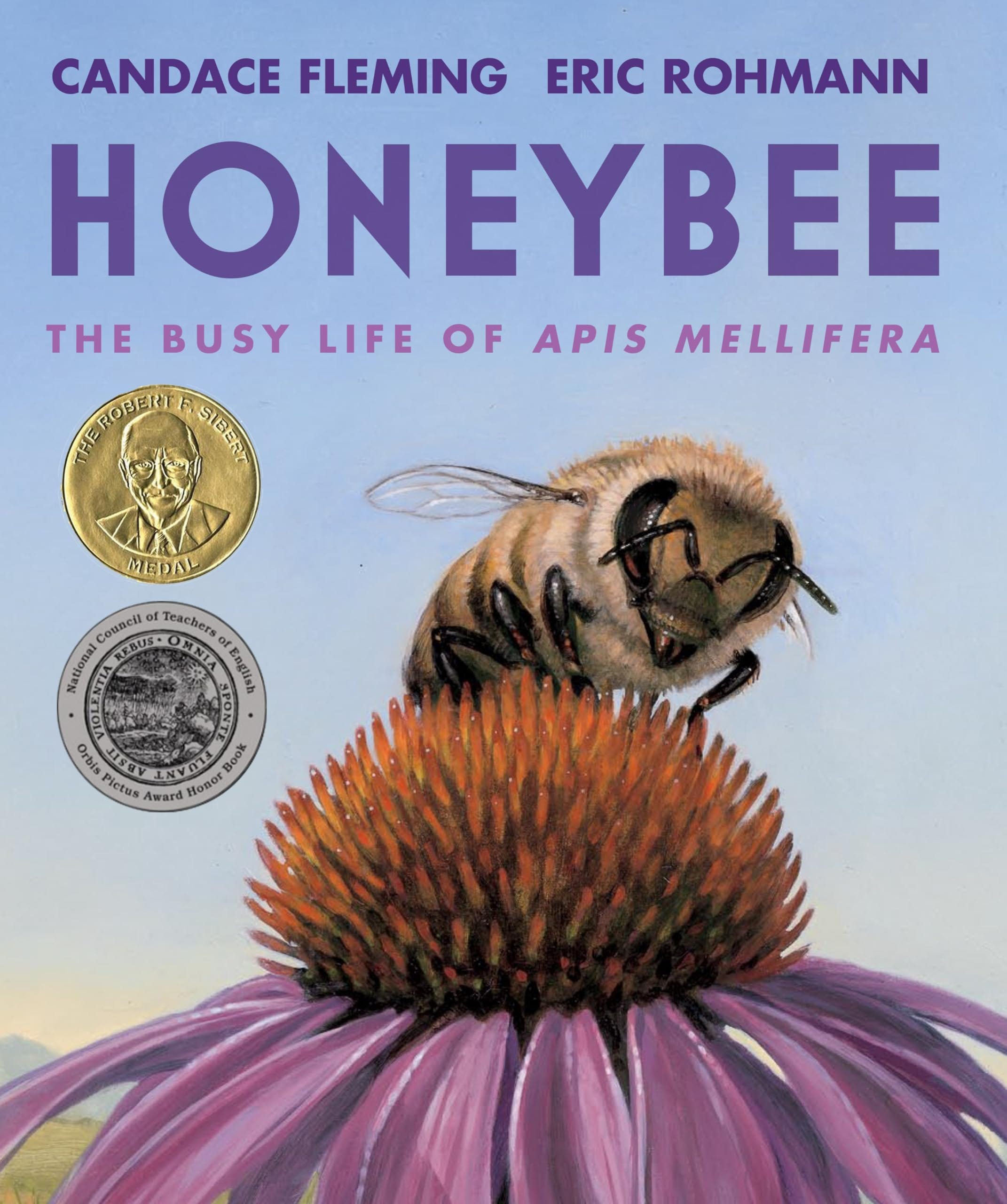
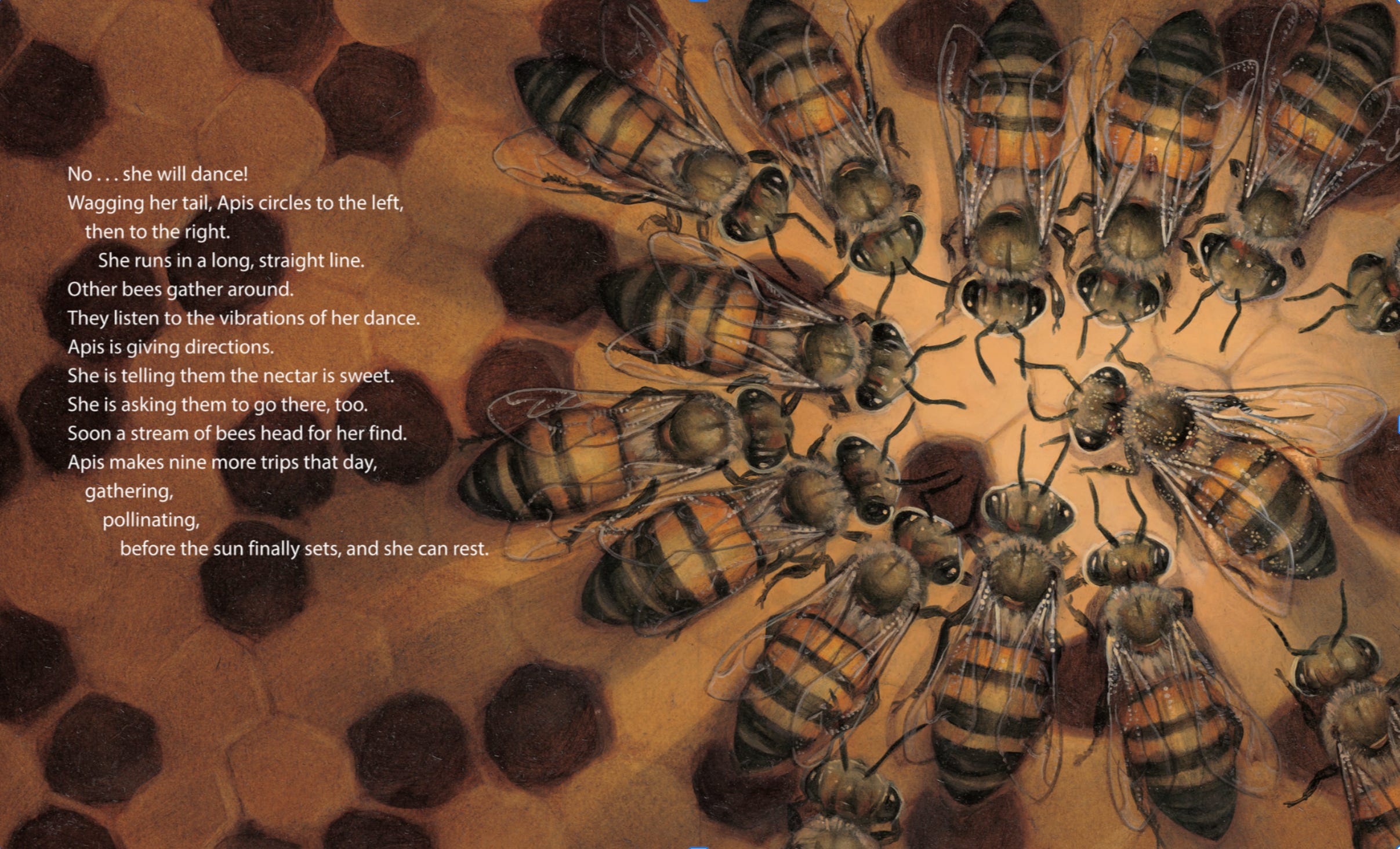
The perfect book combines all three elements: illustration, story, and content. For instance the book we did use as our core text in the bee unit, Honeybee, by Candace Fleming and Eric Rohmann tells the story of honeybee from birth to death. The illustrations are beautiful and each page describes an aspect of a bee’s life.
5. Concept
All of the above might make the book suitable for a read aloud, or serve an anchor text for teaching the content, but the real magic happens when a book resonates at a conceptual level. As I read, I look for elements of the book that will offer a conceptual centerpiece to build an experience for the classroom community. This is probably my “purple pedagogy” as described in my post a few weeks ago. In addition to education, my academic background is in both the study of literature and in theater production. As a theater director, when we read a play, we’re looking for the big idea that will guide the conceptual thrust of the production. In Hamlet for instance if we focus on his inability to take action—to revenge his father—then that concept informs the choices the actors, the costume, the lighting, and the set designers will make.
At times the guiding conceptual ideas are right on the surface of a book, even in the title. In Jacqueline Woodson’s book The Year We Learned to Fly, she describes how difficult it was for a brother and sister to move from one neighborhood to another. The children, through their resilience and with the help of their mother’s advice, learn to fly.
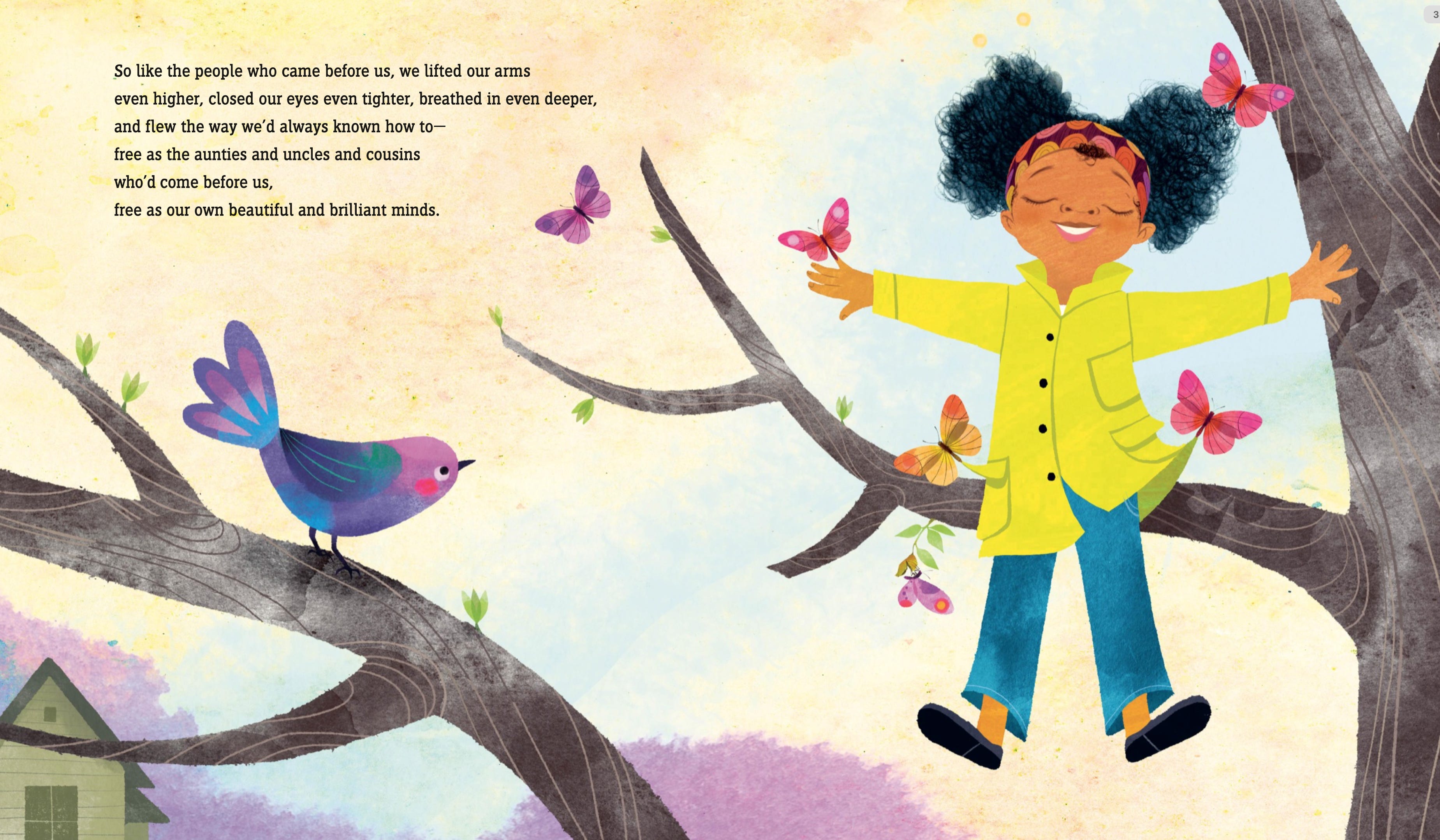
After reading this book, we’ve asked students to think about “When do you fly?” The flying metaphor can carry us through the year by coming back to question such as:
How can we fly together as a community?
When we experience adversity or challenges, how can we fly above them and succeed?
How can we help each other to fly?
I also like the book because it best encapsulates my hopes for our classroom community. I want us to fly together; I want us to lift off the ground a little bit, away from the everyday doldrums of an education institution; and I hope that we can create such beautiful and compelling work together that we will leave the classroom feeling elevated and inspired.
Building Experiences from Books
This brings us back to our study of the 19th Amendment. In researching this topic there is actually a wealth of high-quality text for students. One possibility is to do a biographical study of different influential figures during the women’s suffrage movement.
The Bold and the Brave is a wonderful overview of the various people who contributed to the movement.
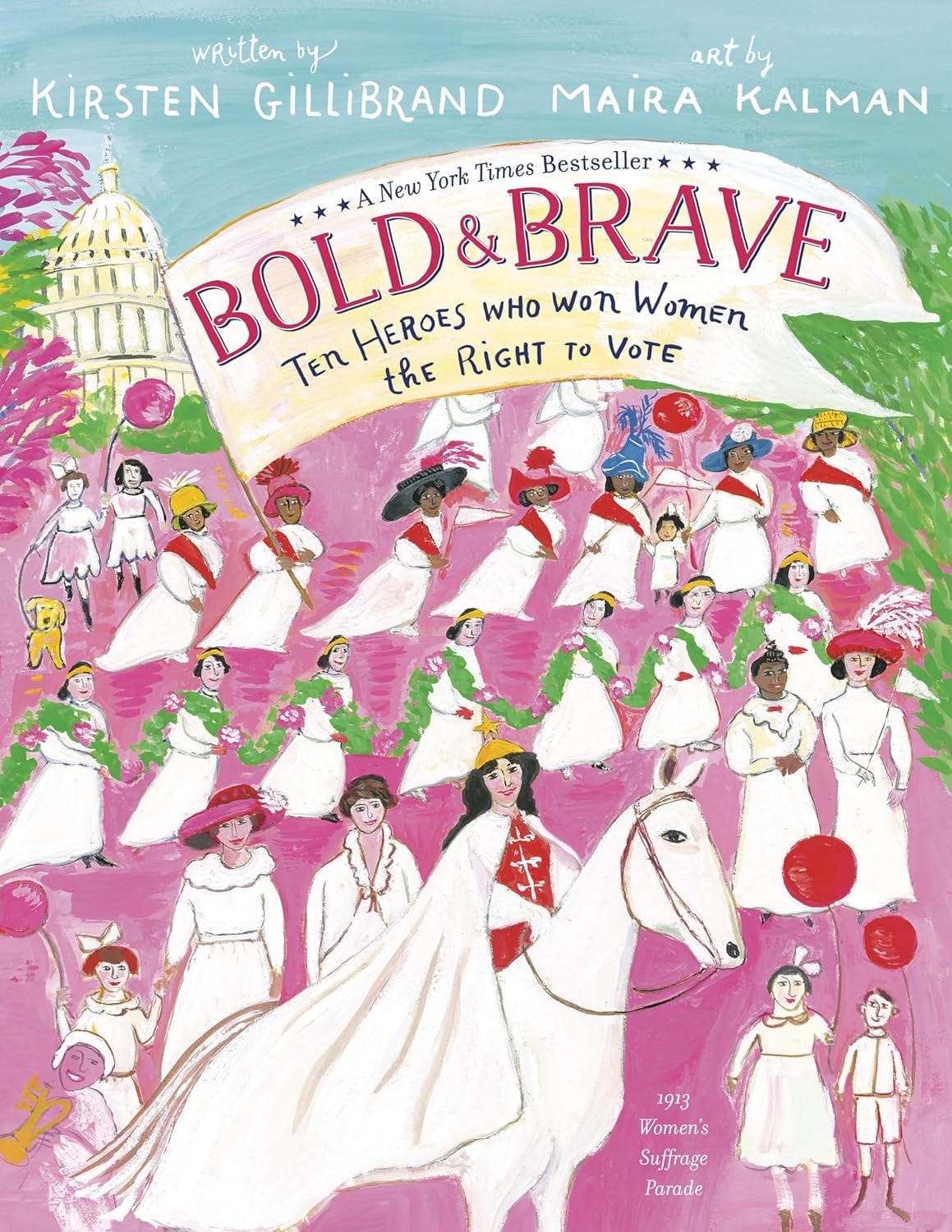
And it can be supplemented with books that dive more deeply into individual figures.


The book we landed on for our core text was How Women Won The Vote: Alice Paul, Lucy Burns, and their Big Idea by Susan Cambell Baartoletti and illustrated by Ziyue Chen.
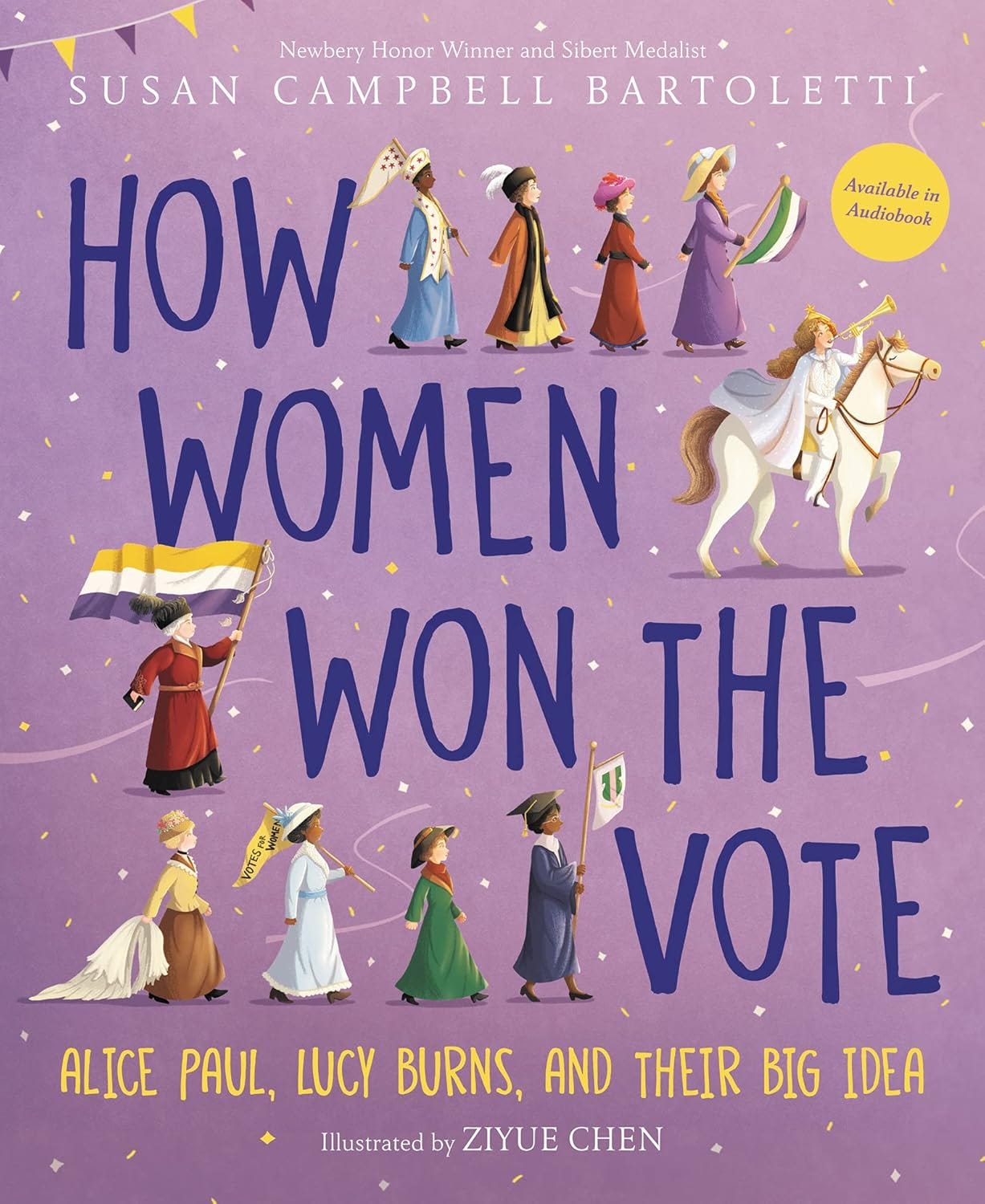
It is both a biography of Alice Paul and Lucy Burns and it also tells the story of the 1913 Women’s Suffrage Parade and it was this that caught our attention.
The challenge is finding books that don't just teach information but invite students into an experience. When we found How Women Won the Vote, we realized the parade at the center of the story might become an experience of its own.
In my next post we’ll do a deep dive into this book and I’ll tell the story of how the 4th graders at North Star Elementary School designed and led their own parade.
This is a very helpful post as it clearly states important concepts and elements when choosing books to teach in the classroom. "The real magic happens when a book resonates at a conceptual level . . . look for elements of the book that will offer a conceptual centerpice fo build an experience for the classroom community": litearacy + experience + community + connection