
Having lived in Mexico for many years, one of my favorite holidays of the year is Día de los Muertos. Our family sets up an altar in our house, filling it with flowers, candles, and photographs of loved ones who have passed away. We place offerings of food, drink, and favorite objects (a ball for our dog Fluffy) on the altar, inviting them to return for a few days. I find it beautiful that once a year, we can welcome those we have lost back into our homes, even if only for a brief visit.
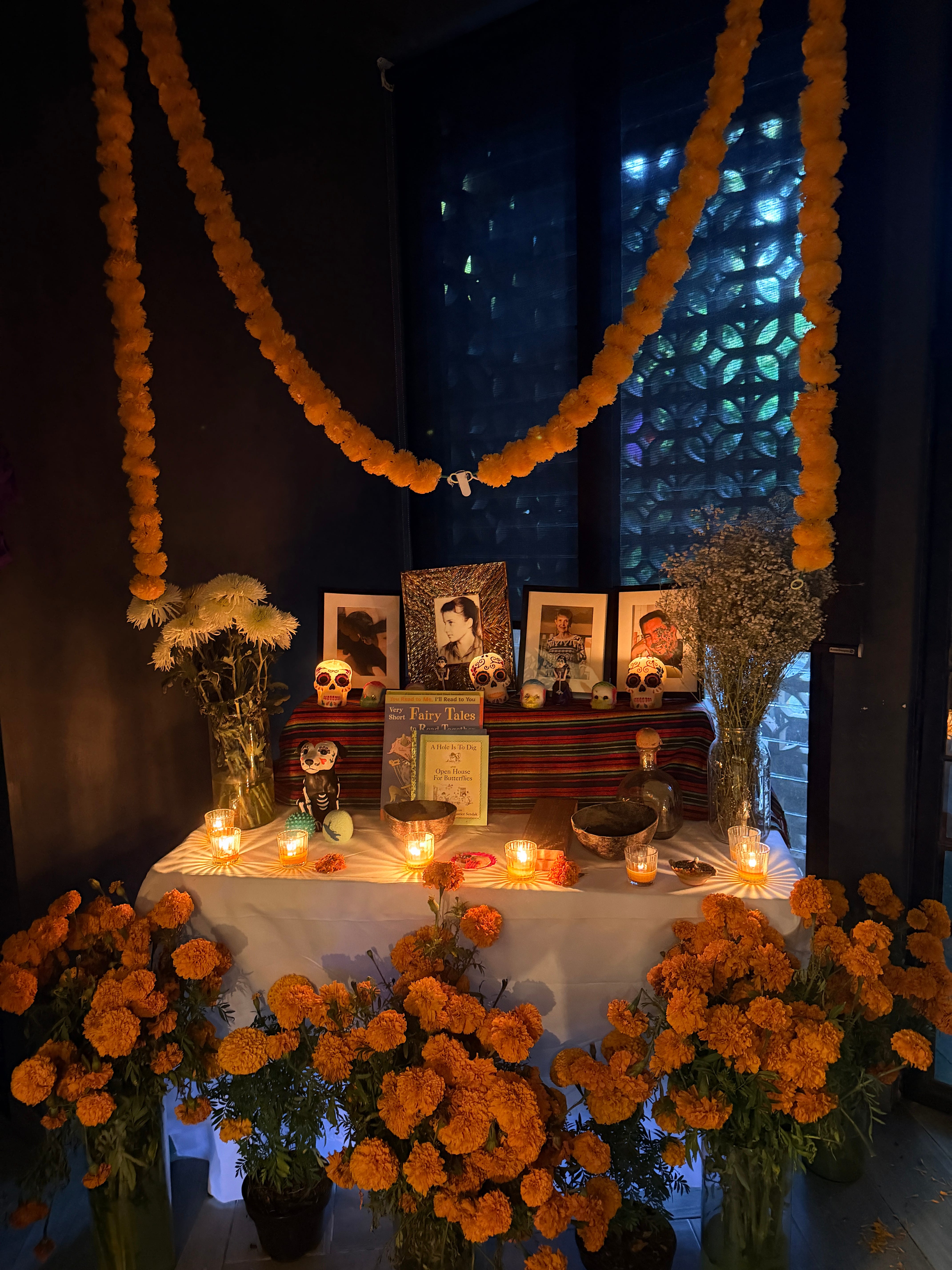
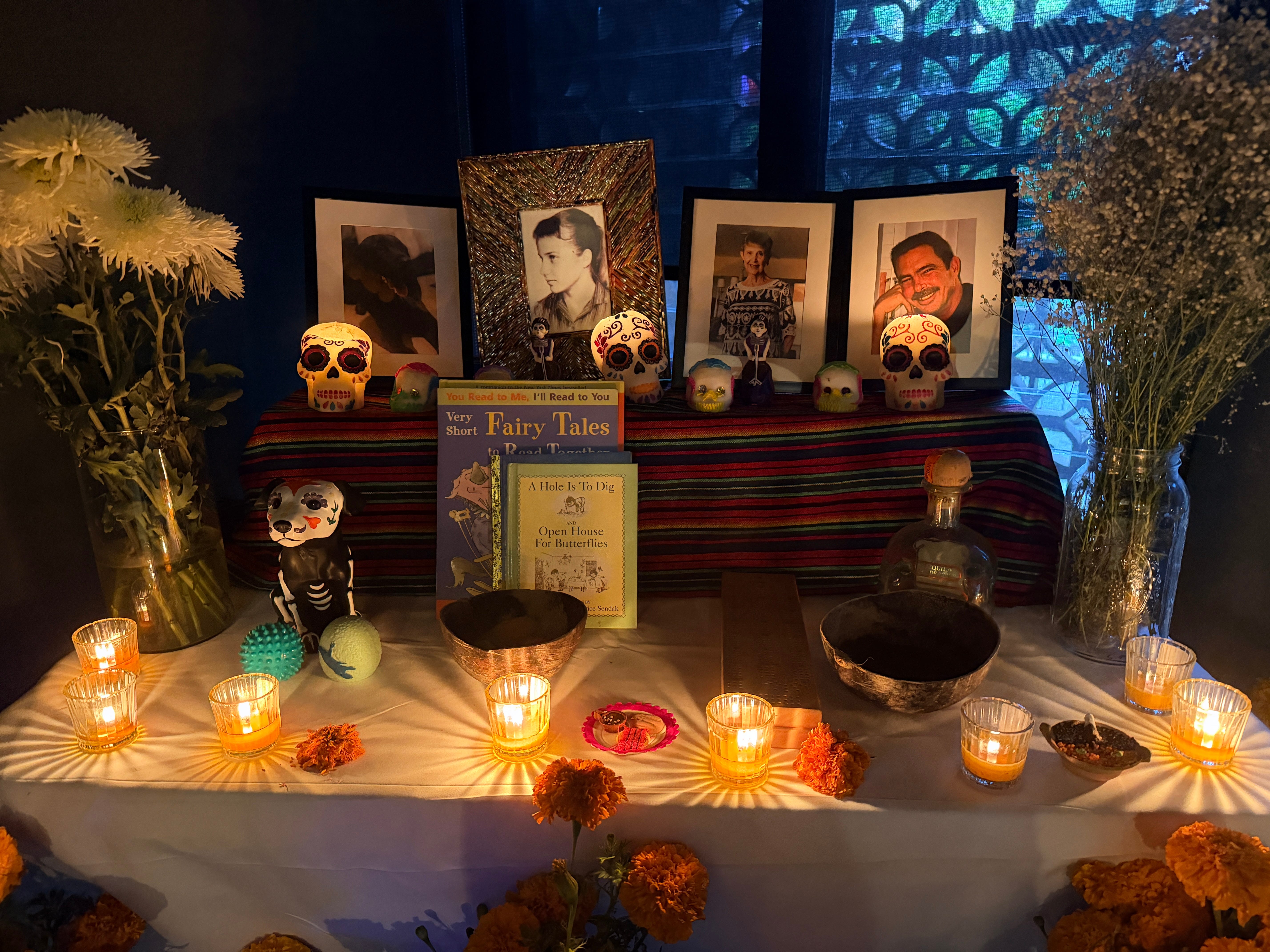
We also celebrate Halloween immediately before. Seeing the altar with its flowers, lit candles, and pictures of loved ones brings a moment of quiet reflection, a time to exhale after all the Halloween festivities. I was reminded by this recent article in the New York Times how different parts of Mexico have their own variations of Día de los Muertos. In the mountain town of Metlatónoc, the holiday lasts over ten days. Here in Yucatán, where the local Maya tradition is known as Hanal Pixán, we have the Paseo de las Ánimas (“Procession of the Souls”), which moves from the cemetery toward neighborhoods where altars are displayed, representing the souls' return to the world of the living.
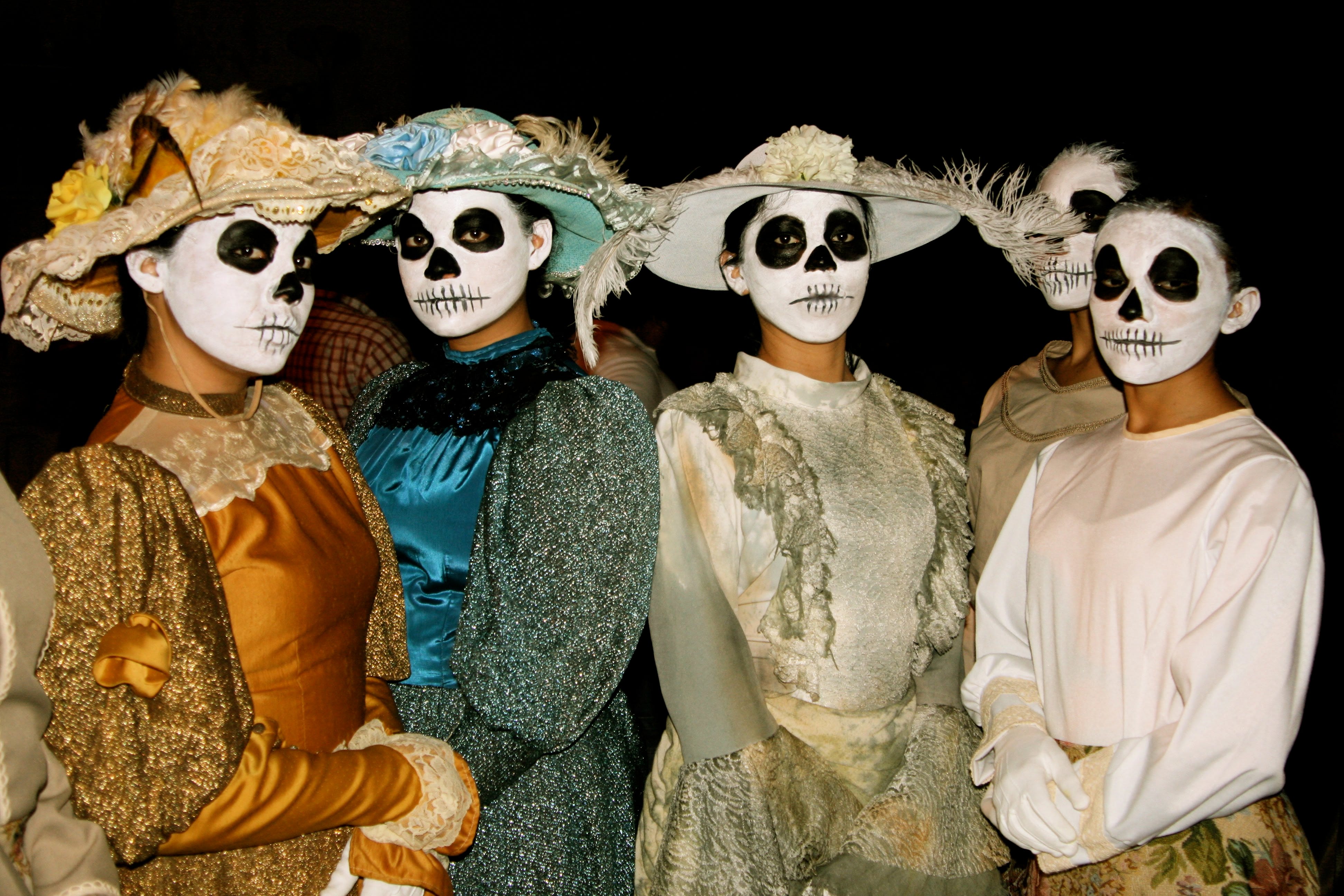
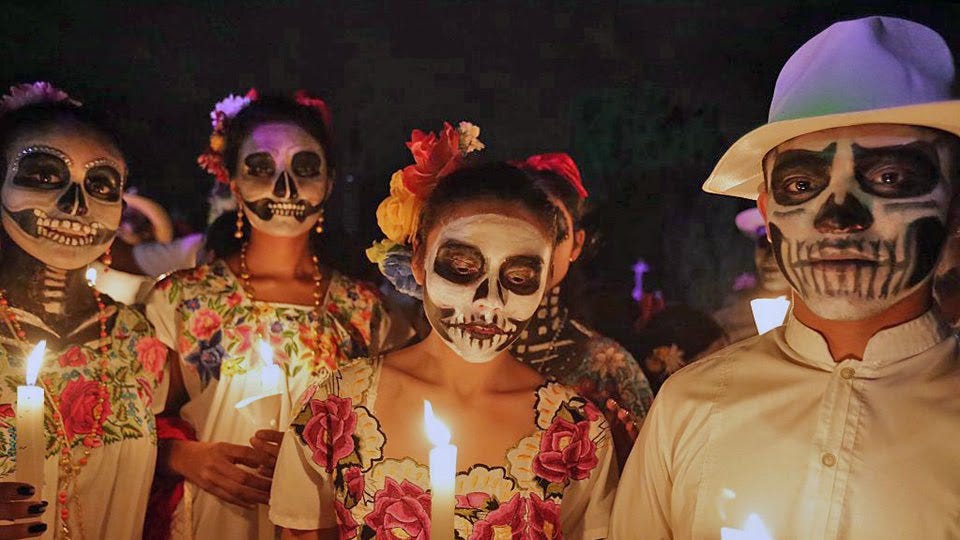
It’s not surprising, then, that Día de los Muertos is incorporated into school culture here. My children's school holds an evening celebration with altars set up around the campus, a parade, music, and other festivities.
What struck me this year was an exhibit created by the Spanish department. My son’s Spanish teacher asked students to bring a photograph of a person or pet they wanted to honor in an exhibition. She was very specific about the size of the photograph, and when my son asked for a picture of our dog Fluffy, I wondered why the proportions had to be just so. It turned out that the photographs needed to be similar in size for an exhibition during the school's Día de los Muertos celebration, an event called Noche Mexicana.
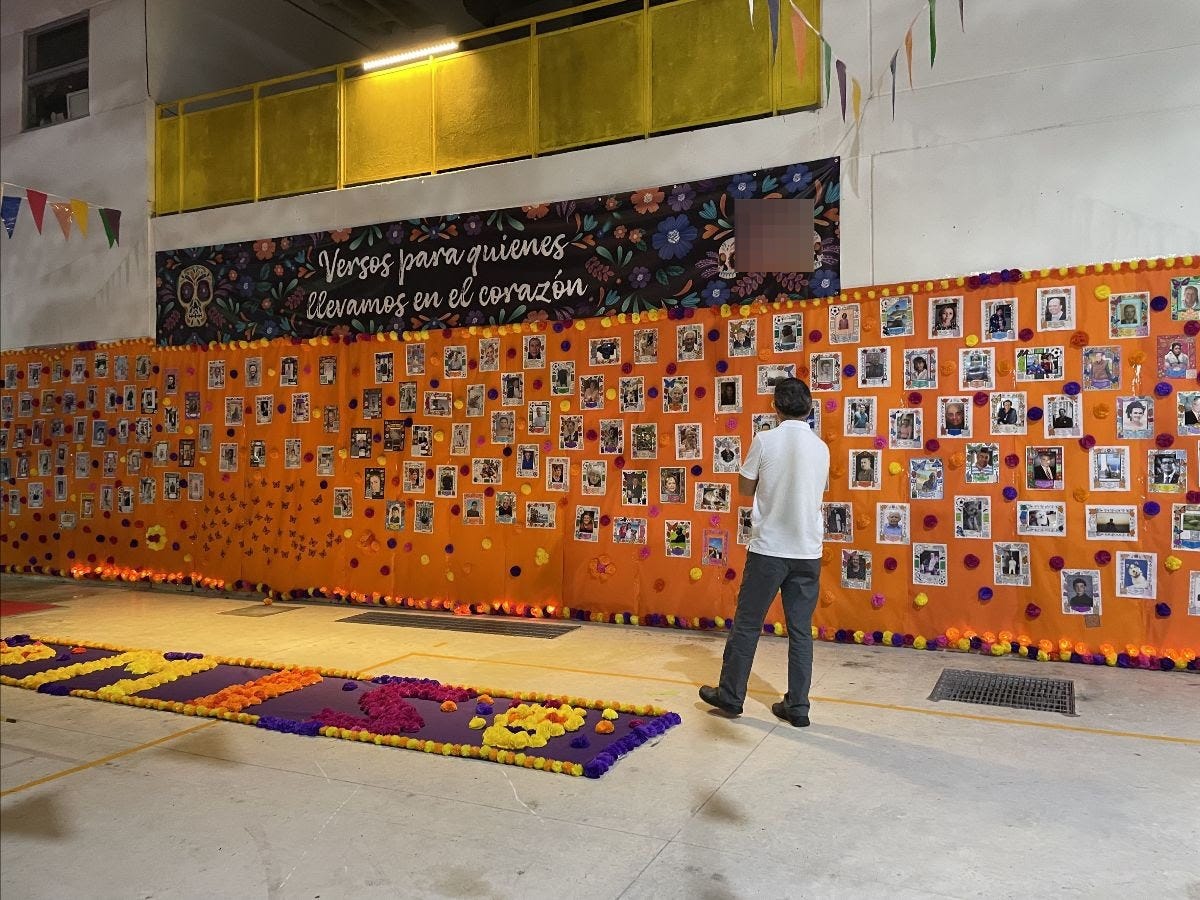
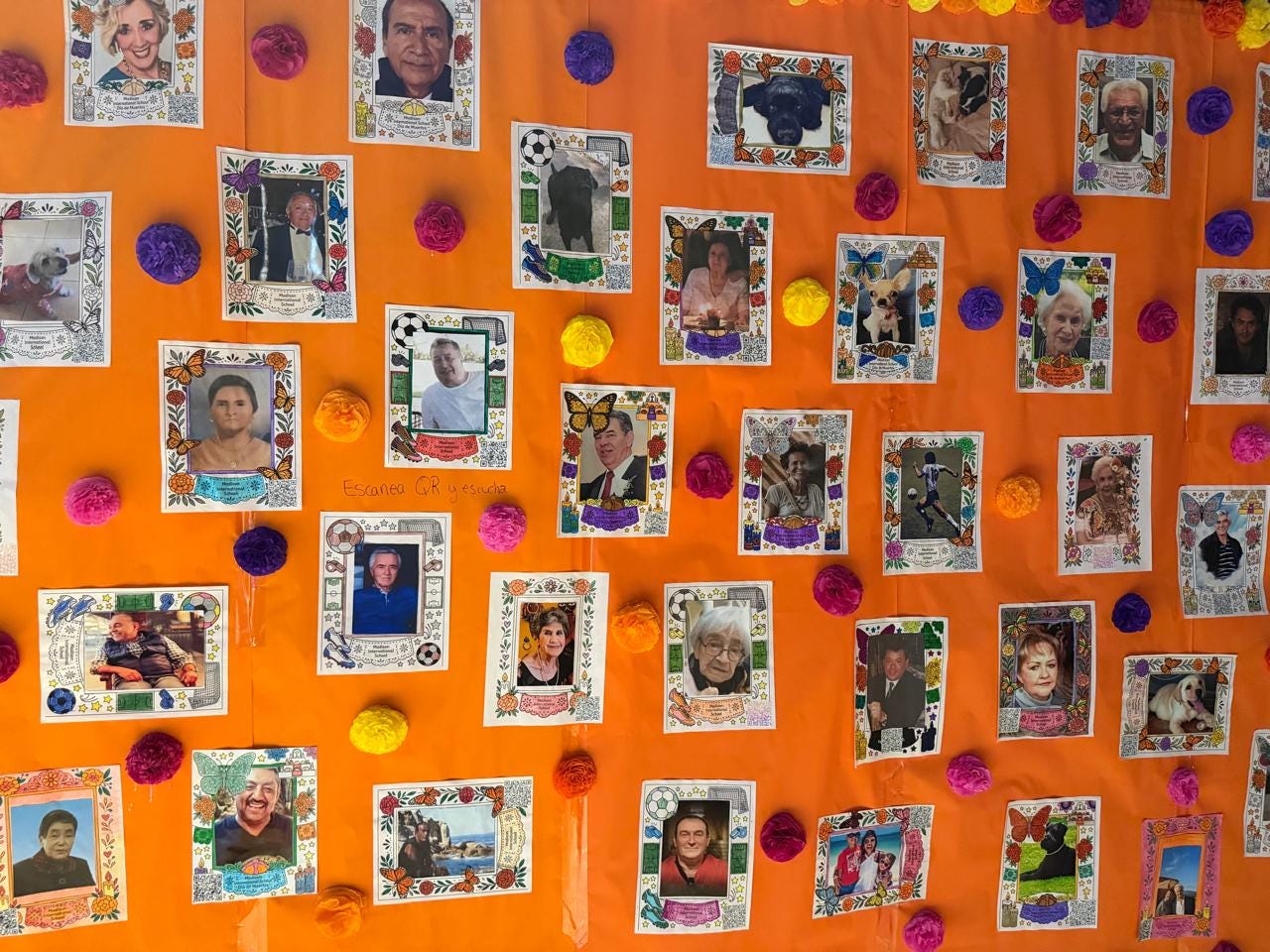
The exhibit was titled, Versos para quienes llevamos en el corazón (“Verses for Those We Carry in Our Hearts”). Each photograph had a QR code linking to a recording of the student reading a poem they had written to honor the person or animal they “carried in their heart.”
My son’s photograph of our dog Fluffy was in the exhibition alongside other students’ grandparents, children, uncles, cousins—a community of pets and people who would return to visit during the holidays from the world beyond.
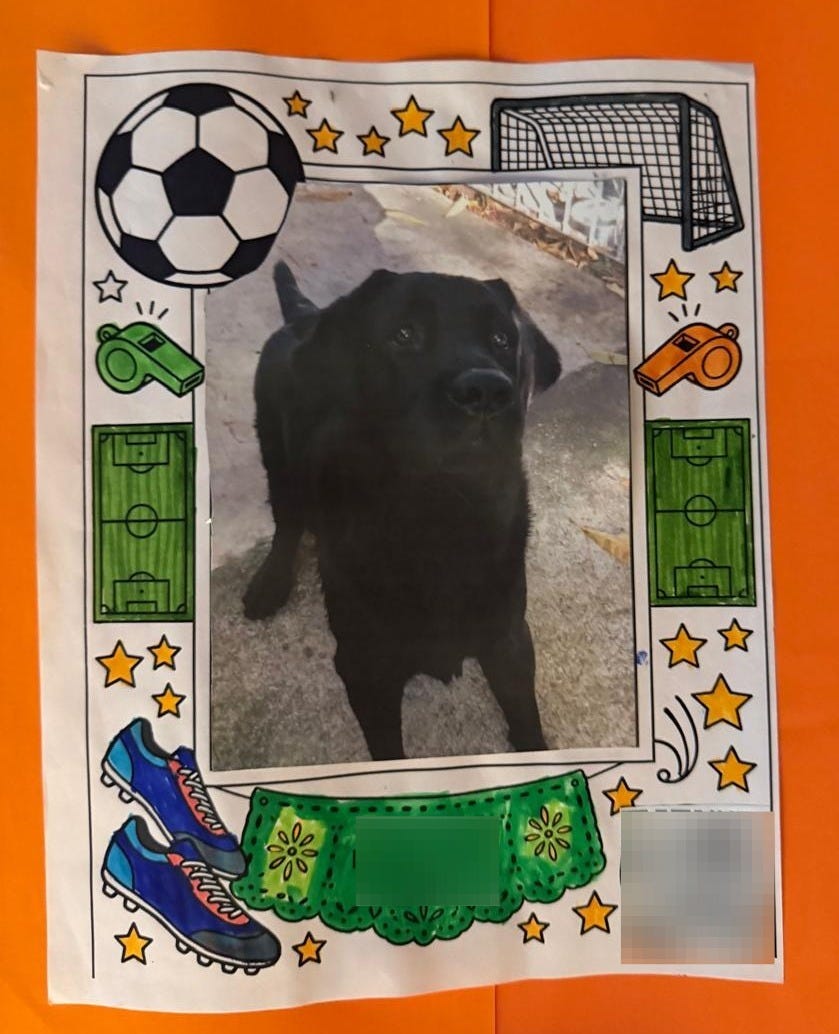
Fluffy’s Poem (written and read by our son in Spanish)1
At the exhibit, parents were photographing their children’s work and sending the students’ readings of their poems to relatives around the world. What struck me were the layers of community present in the room. Students were connecting with someone who had passed away. Parents were hearing their children express how much a person or pet had meant to them. Families were sharing these poems with relatives who couldn't attend the exhibition.
I haven’t experienced anything like this outside of Mexico. The New York Times in the above-mentioned article writes:
the Day of the Dead offers a shared ritual of remembrance across social, cultural and ethnic divides — a collective moment of pause to honor the dead and perhaps confront the fragility of one’s own existence.
Often we turn away from these difficult topics in schools. It is precisely this kind of meaningful work—writing for a specific purpose and audience—that lifts a classroom beyond the routines of everyday school life and makes it a place where extraordinary—even magical—things happen.
Estaba la Flaca sentada en el jardín,
buscando un amigo de cuatro patas,
cuando vio pasar a un perrito pillín
que correteaba alegre entre las plantas.
Era el buen Fluffy, peludo y juguetón,
que a la Catrina le batió la cola.
Le dio una lamedura en el mentón
y la dejó encantada y menos sola.
“No te asustes, Fluffy,” le dijo la Muerte,
en el Mictlán te espera un gran banquete,
muchas croquetas y premios por tu suerte,
y para jugar, un reluciente juguete.
Hoy Fluffy ladra feliz en el camposanto,
cuida las almas con tierno desvelo.
Mientras sus dueños le extrañan tanto,
él mueve el rabo directo en el cielo.