
We’re in the process now of planning the opening to Habla’s 18th Annual Teacher Institute. Last summer we looked at the implications of AI in learning which, after a week of conversations and workshops, led us to the question, “What makes us human?” The author Reif Larsen joined us and helped us to consider what the role of the writer is in a world infused with AI. Not surprisingly we identified how the voice of the individual is unique, and must be unique, in all its flaws and awkwardness. AI can smooth out our mistakes—it can check for grammar, typos, it can even clear up some awkward text. (Just so you know that was my em-dash there). But as I write more here and in other venues I’m considering maybe that we should, perhaps even deliberately, write with a little more “roughness.” Grammar mistakes and typos reveal that we are human, that we miss things. In the last book I wrote with my co-author Eileen Landay, we didn’t have AI and I’m still catching mistakes the many eyes on it missed.
This year we are shifting our lens to consider “What is the role of analog experiences in the classroom?” This question is primarily inspired by the book The Lost Words by Robert Macfarlane and illustrated by Jackie Morris.
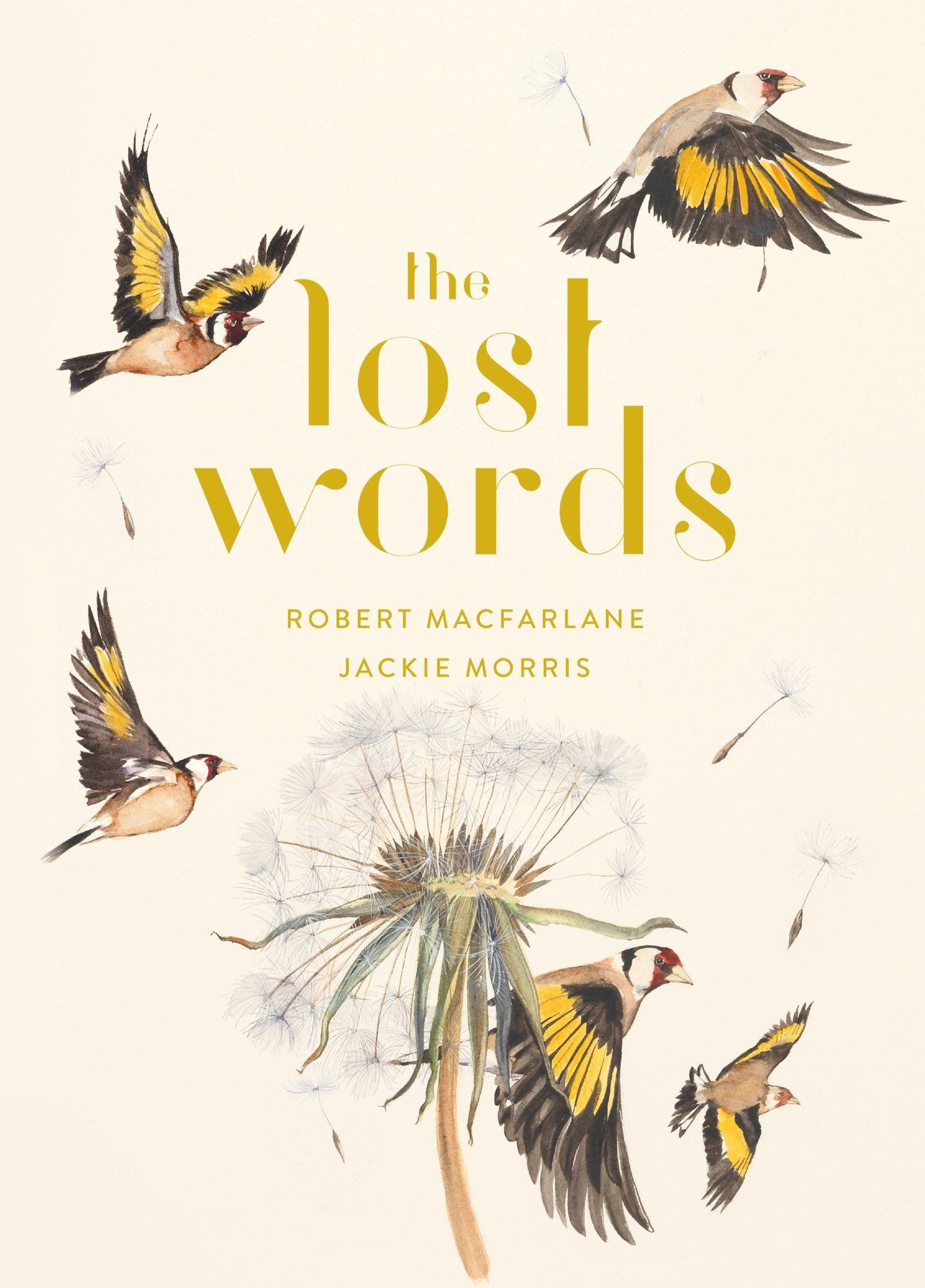
Macfarlane was inspired to write this book when the 2007 Oxford Junior Dictionary omitted many words describing our natural world and added words mostly about technology. The 2007 and 2012 editions omitted the words blackberry, almond, cauliflower, and chestnut and added the words paste, broadband, and ironically anlalogue to give just a few examples.
A group of writers including Macfarlane and Margaret Atwood wrote a letter in 2015 to the Oxford University Press asking that the “many words associated with nature and the countryside” be reinstated in the next edition. They point out the decline of our children’s experiences in the natural world:
This is not just a romantic desire to reflect the rosy memories of our own childhoods onto today’s youngsters. There is a shocking, proven connection between the decline in natural play and the decline in children’s wellbeing. Compared with a generation ago, when 40% of children regularly played in natural areas, now only 10% do so, while another 40% never play anywhere outdoors. Ever. Obesity, anti-social behaviour, friendlessness and fear are the known consequences. The physical fitness of children is declining by 9% per decade, according to Public Health England.
Keep in mind that the research they are referencing is a 2009 study by Natural England—Minecraft, Roblox, Fortnite and even Instagram didn’t yet exist.
In his book, Macfarlane selects a word that was omitted, for instance “willow,” and writes an acrostic poem for each accompanied by a stunning illustration by Jackie Morris.
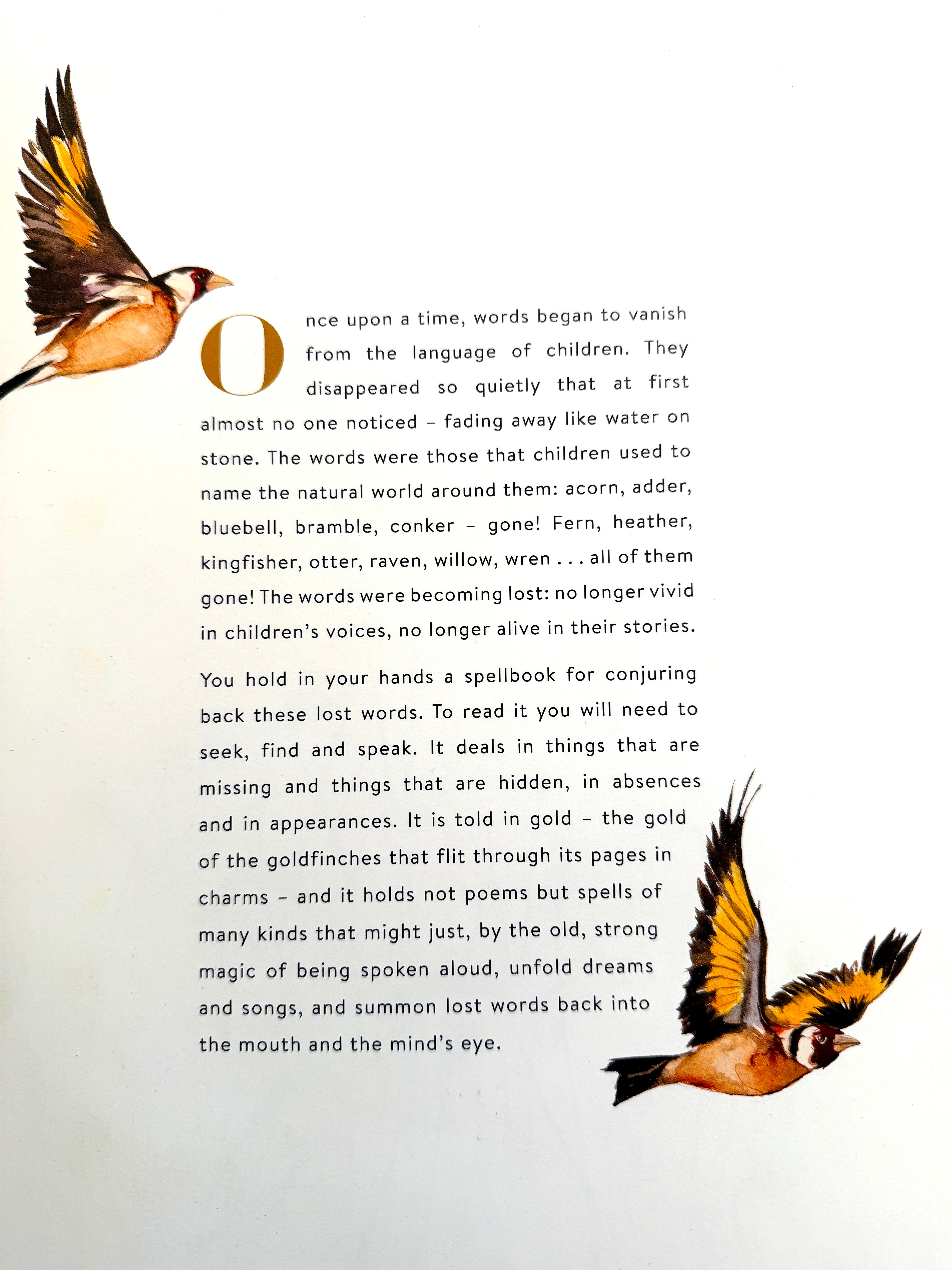
The Lost Words begins with an introduction featured in the image below. (I’ve included the full text in a footnote in case you can’t read the words in the image)1
We’re beginning the institute in five days from when I’m writing this. I’ll take you through the process here of how we begin to think about “conjuring back these lost words.” We’re all still enjoying our summer so no need to think about those first days of school yet, but if you find something interesting in here I hope it will serve as inspiration for the start of your school year.
Open Doors
Before we actually begin the morning session there are some fundamental structures we put in place to welcome all the participants.
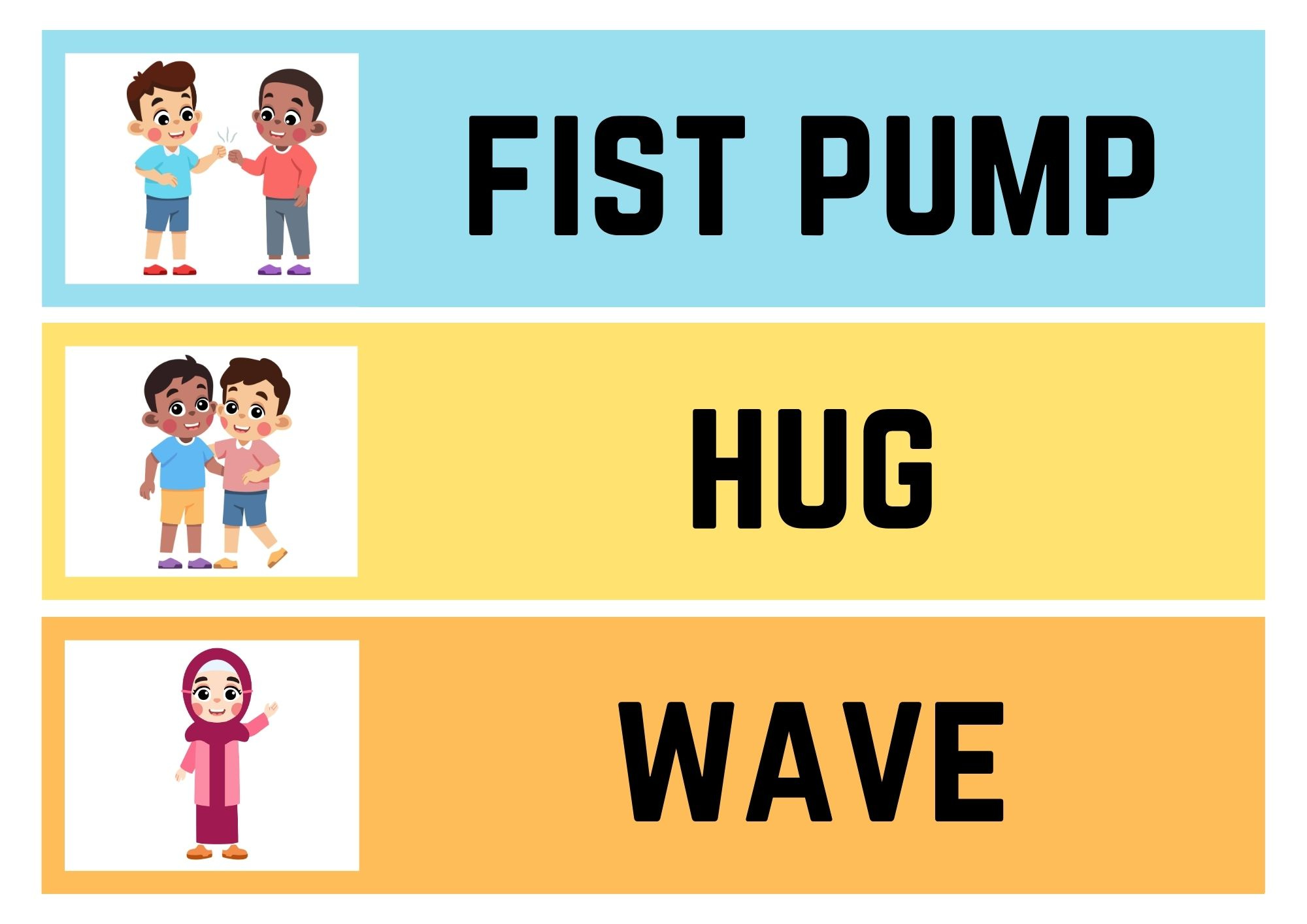
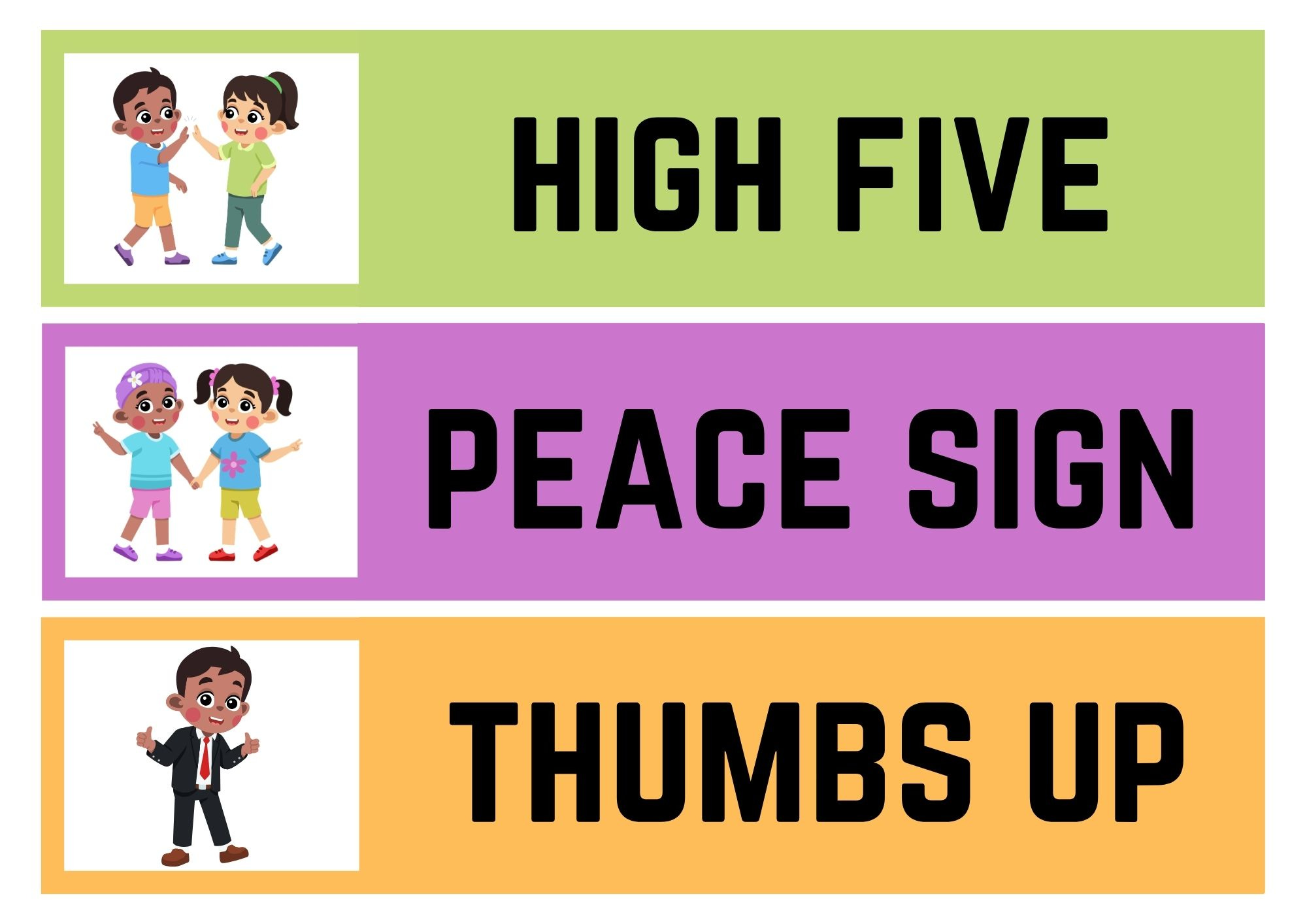
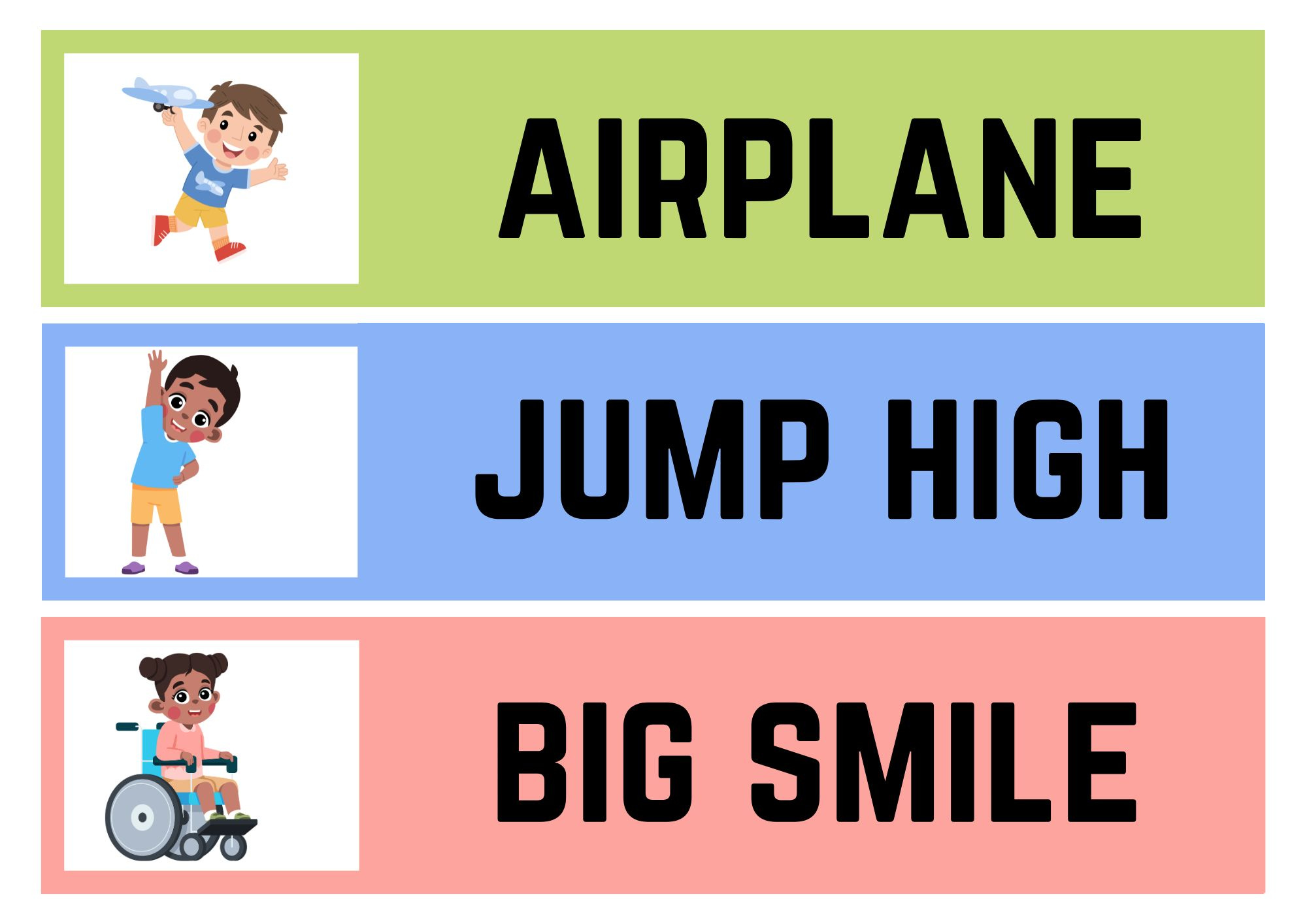
a. A welcoming space. Teachers will be joining us from all over the world. Many will be in our city, Mérida, for the first time. We want everyone to know our school is an open, safe, and inclusive space. We’ll do this first by greeting everyone who comes into the building. I visited an elementary school that had designated greeters. They would wear a sign that indicated different types of greetings. An incoming student would point to the greeting they were most comfortable with and they would exchange the chosen greeting with the teacher. Making sure every person feels welcomed is something that stuck with me after watching this school’s greeters warmly acknowledge every student walking through the doorway.
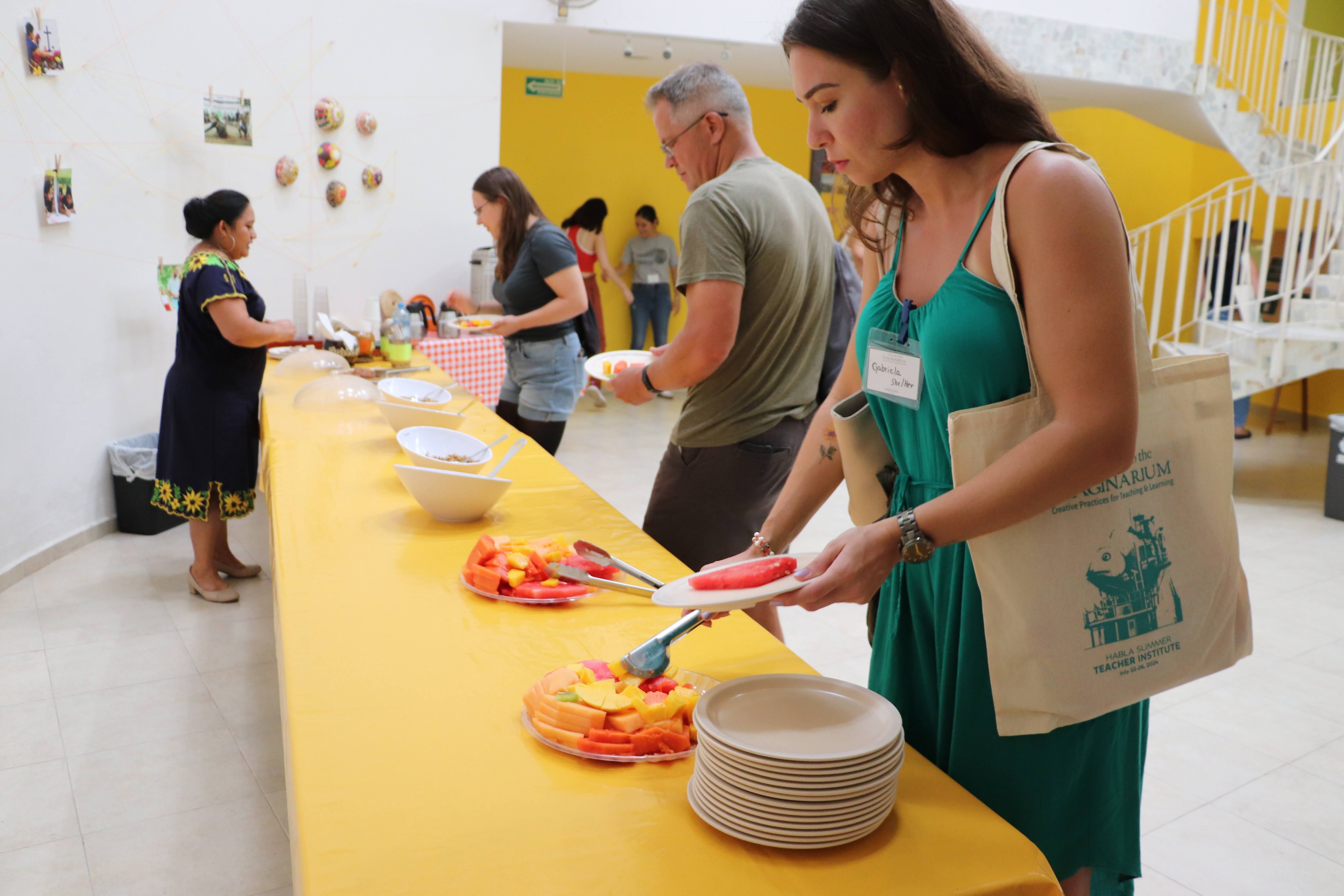
b. Food. As soon as participants enter the space they will see a buffet of breakfast foods. Just as with our students, we know if they are hungry there is not much else they will be thinking about (and with the adults we also assure a steady stream of coffee throughout the morning.)
c. Clear roadmap. Entering a new space with strangers can always be difficult, and anxiety-provoking for some. When I have a new group of people in the room I always like to let them know where we are heading— what each day will look like, who will be presenting, what time we are eating lunch, and what the end product of our work might look like (knowing that it will change with the dynamics of each group.) For the study of women’s suffrage I wrote about in a previous post, we might explain that, yes, we’ll be studying how women fought for the right to vote in England and the United States, but we’ll also be designing and building a parade of our own by the end of the unit.
For this institute we’ll introduce them to many of the ideas I’ve previously discussed:
Core Text. Our focus will be on the book The Lost Words
Essential Question/Concept. What is worth remembering and holding onto?
Exhibition. We’ll create a visual art exhibit and performance of “found words” inspired by the various texts we’ll read through the institute.
Opening Experience: One Word
The first step we’ll take in “conjuring lost words” is a new activity we developed, One Word. At the beginning of the session the first priority is on participants meeting each other. Last year we used the Rapid Bios activity we developed for introductions that move beyond the typical “My name is, I’m from.” In institutes past we’ve also asked people to share their name and the story behind it.
For this institute, since we are focusing on words that have been lost, we’ll reverse that idea of lost words and ask everyone to identify one word they want to keep, a word that holds a special memory for them. The prompt will be: “Imagine that there is a dictionary that no longer holds a word that matters deeply to you. It might be a word from your family, in your work, or a word that holds cultural significance for you, or reminds you of a special time in your life. The word can be in any language.”
As my own example, I’ll offer the Portuguese word saudade to the group. I learned this word when I was working in Brazil and became close with a family. The word, which combines a sense of longing with both joy and sadness, speaks to me as I remember my time there.
We’ll take participants through the following process:
Individual reflection. Choose a word you never want to lose—you want to keep with you forever. Presenters introduce themselves by each offering their word and telling the story behind it. Participants have a few minutes to write some thoughts down.
Sharing in small groups. In a small group of 5, participants will introduce themselves, share their word, and their story.
Further sharing in trios. To mix the room up, everyone will stand and gather in trios, sharing again with a new group.
Bringing it full circle. The entire room (of about 30 people) will gather in a circle near the edge of the room. I’ll have them turn their backs to the center (I learned this technique from dancer Lida Winfield—by turning your back to the circle, facing outwards, you create your own movement space out of sight of others). They will all say their word out loud at once. Then they will think of a full-body movement that matches their word. With their backs still to each other they will embody their word in movement. I’ll likely encourage them to “make it larger using your whole body” given that it is our first morning together. We’ll then all practice the movements at once, combining both the word spoken aloud with the movement.
Sound and Movement Circle. We’ll then move around the room with each person speaking their word synchronized to their movement. The rest of the group will “echo” the person’s sound and movement. I’ve found that this echoing by the whole group creates a feeling that we are all in this together—it almost immediately offers a shared sense of community.
This opening sequence will take around 45 minutes. By the end of it folks will have met at least nine new people. I've used Sound and Movement many times in past workshops, sometimes using words selected from texts and sometimes using words generated by students. Combining it with One Word will, I hope, create a powerful opening. If you’re reading this in the future, after I’ve led this activity, you’ll find images and videos of what it looked like in action.
The next post will feature ways we approach Macfarlane’s text. Stay tuned for more missives from the Habla Teacher Institute and we hope you can join us someday.
One Word in Action
You’ll see from the photos below that we expanded the activity above by “finding and writing the story of the word.”
1. Initial reflection and writing
After setting up the activity, participants took notes on possible words to share.


2. Sharing in small groups
They then shared their words in groups of three or four.


3. Choosing one word and writing the story of the word
Each person to time to write the complete story of the word (we modeled stories of our words first.)


4. Storytelling in pairs
You’ll see that we are often not sitting in seats for too long. Everyone stood up, found a partner, and then shared their words and stories.


5. Sound and movement with one word
The group gathered in circle and combined movements with their words. We first said our words together as an entire group. Then turned our backs to the middle of the circle and practiced our gestures (I asked them then to make them 50%-73% larger and practice a second time). We turned back facing the circle and performed our gestures and word at the same time. Finally each person performed their word and movement around the circle and the rest of the group echoed. The total process took less than 10 minutes.


After quite the morning we had the traditional Yucatecan cochinita for lunch and everyone enjoyed marquesitas from the food truck for dessert.


Resources
What is your favorite word?
We used this video (in Spanish) to help inspire students to come up with their own favorite words. Isabel Allende and Shakira’s comments are wonderful. Here are the English translations to a few we featured.
Morning Greeting Signs
There are morning greetings available with a quick search online. I found this template on Canva that can be customized and changed based on the day/week.
Chega de Saudade by Tom Jobim.
Chega de Saudade is often referred to as the first bossa nova song ever written. The song features music by Tom Jobim and lyrics by Vinícius de Moraes, one of Brazil’s most famous lyricists.
A beautiful version by Yo-Yo Ma and Rosa Passos
Once upon a time, words began to vanish
from the language of children. They
disappeared so quietly that at first
almost no one noticed – fading away like water on
stone. The words were those that children used to
name the natural world around them: acorn, adder,
bluebell, bramble, conker – gone! Fern, heather,
kingfisher, otter, raven, willow, wren . . . all of them
gone! The words were becoming lost: no longer vivid
in children’s voices, no longer alive in their stories.
You hold in your hands a spellbook for conjuring
back these lost words. To read it you will need to
seek, find and speak. It deals in things that are
missing and things that are hidden, in absences
and in appearances. It is told in gold – the gold
of the goldfinches that flit through its pages in
charms – and it holds not poems but spells of
many kinds that might just, by the old, strong
magic of being spoken aloud, unfold dreams
and songs, and summon lost words back into
the mouth and the mind’s eye.
What a fantastic day today! Day 1 of your Lost Words conference has been so inspiring and… it’s only just begun! Thank you so much Kurt, Marimar and everyone at Habla.
I love both this activity and the one-word bios! I’m going to try each of them with my students during our first week together in the fall.