
“That you are here—that life exists and identity,
That the powerful play goes on, and you may contribute a verse.”
- Walt Whitman, “O Me! O Life!1
As a child I often visited my father’s high school English classroom. The most striking thing about his room was his bulletin board. In my elementary school in Indiana, I was used to seeing bulletin boards decorated by the teachers. Before the opening of school they painstakingly prepared a beautifully laid out design with lettering and pictures, perhaps around a particular theme. My father’s bulletin board was different. He let the students bring in practically anything they wanted and hang it—there were layers upon layers of cartoons, comic book characters, and poems. It was a mess, but it was theirs.
Wanda Lincoln, a retired educator, in a speech to elementary school teachers said, “When we as teachers make sure the room is perfect at the beginning of the school year, we are sending the message that the classroom is ours, not the students.” She encouraged teachers, “Begin with walls that are blank—nothing on them at all!” Educator Tom Rademacher echoes this idea when he writes:
I’ve just never wanted my classroom to feel like my space. A classroom, in so many ways, is something that a teacher and students build together.
When we were asked to visit 6th grade classrooms in the Everett Public Schools in Massachusetts to model what an arts-integrated class might look like we thought about the question, “How can we help students visually transform the classroom?” I partnered with one of our then creative director at Habla, visual artist Tommaso Iskra De Silvestri to design the following mask-making workshop in response.
The Black Panther
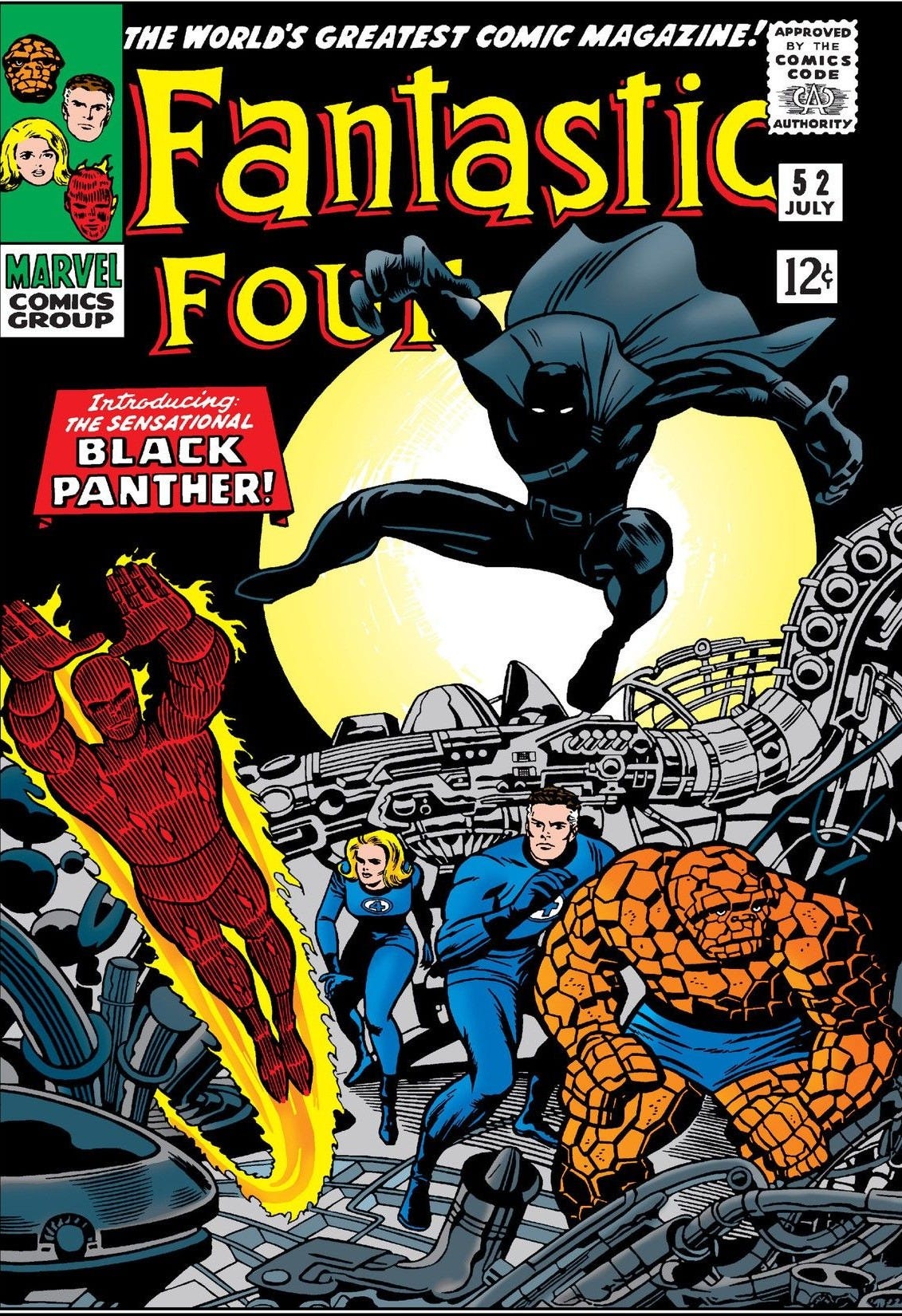
Immediately before our visit the Marvel movie The Black Panther had just released. We looked at an image of the Black Panther (his first appearance in comic books in 1966) and asked the students what they know or might guess about his characteristics. They answered “powerful, stealthy, quiet, fierce, noble, aggressive.” We then asked how these characteristics were expressed by his mask and costume.
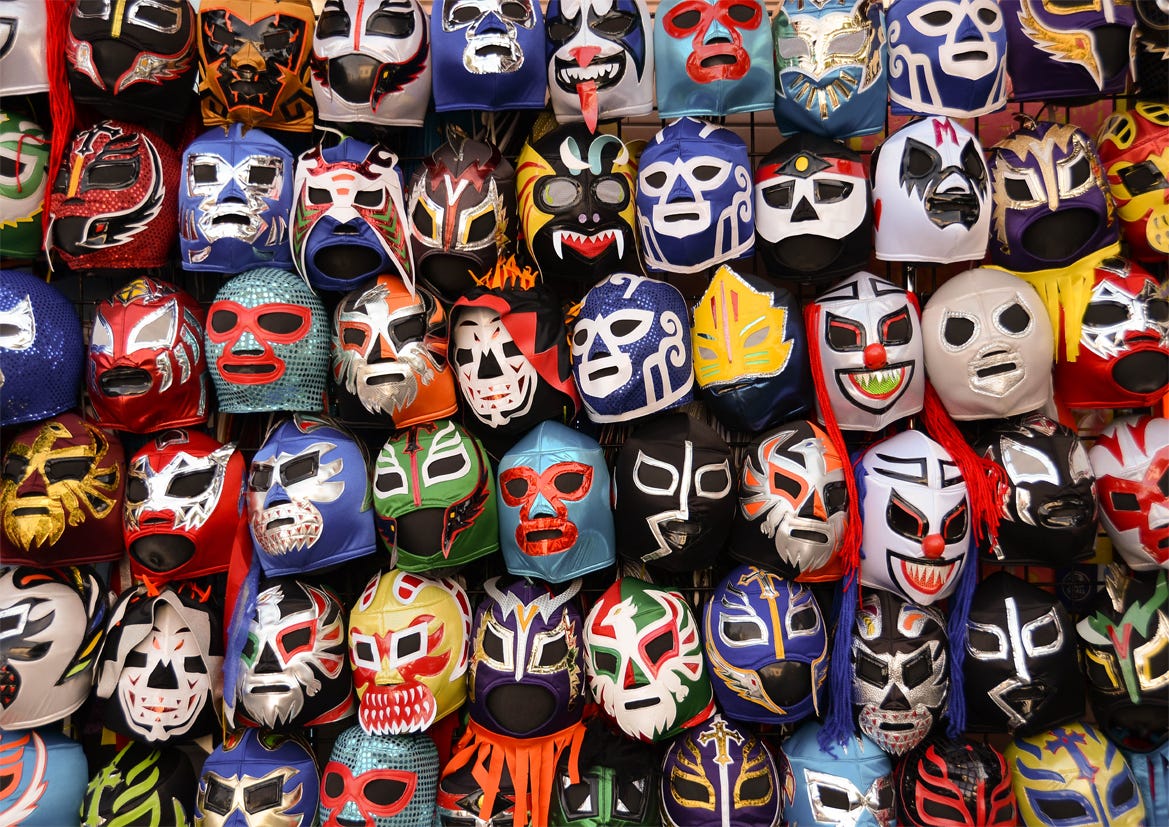
After considering a few other superheroes in the same way we looked at masks from various contexts including the wrestling sport Lucha Libre. For example, the wrestler Volador Jr.’s mask with wings images might symbolize his ability to fly across the ring at his opponent.
Our guiding question for the day was“How do masks both hide and reveal us?” meaning that as the students created masks, they could make them completely from their imagination. Their masks might reveal aspects of their true personality, reveal who their superhero personality is, or some combination of both.
Kennings
We knew if we simply asked the students to create a “superhero” masks we would get many masks derivative of today’s heroes. We needed to find a way to move students to a more poetic and symbolic way of imagining their masks.
I first learned about kennings from Boston-area artist and educator Regie Gibson. Regie had teachers create Kennings that related to their personal identities. Defined by the dictionary, a kenning is:
a compound expression in Old English and Old Norse poetry with metaphorical meaning, e.g., oar-steed = ship.
Examples of kennings (students loved guessing these—find even more here):
storm of spears—battle
forest walker—bear
land bones—rocks
arm serpent—bracelet
head forest—hair
tongue land—mouth
Students began by brainstorming their own word bank of nouns and verbs. When their papers were filled, they practiced at combining two words to create a kenning representing themselves. In order to create a kenning, we reviewed how to add the suffix “ing” on to a verb to form an adjective (or adjectival participle to use the formal term). We also looked at how verbs can be transformed into nouns by adding the suffix “er.” Without any formal grammar lesson, students naturally began manipulating, transforming, and combining words.
Some of the examples students came up with are:
Panda Sleeper
Laughing Kitty
Jumping Singer
Reading Wolf
Breathing Books
Exclaiming Pencil
Mask-Making Introduction
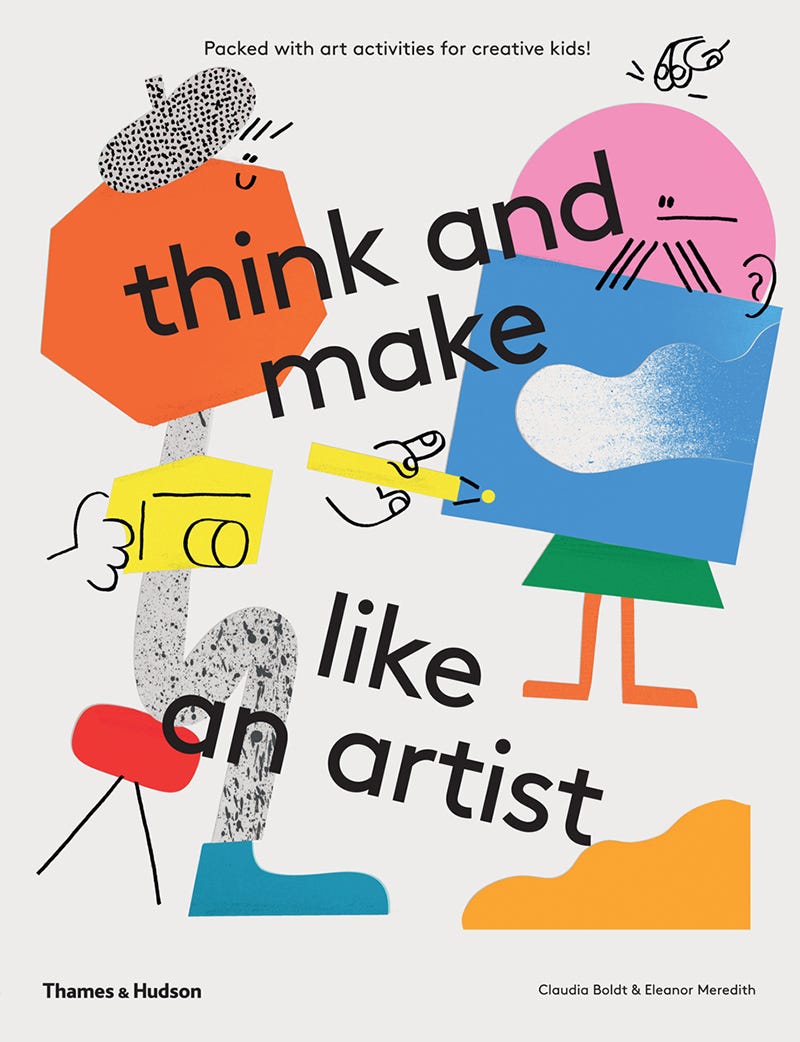
We were inspired by Chicago teaching artist Cynthia Weiss’s workshop on mask-making and the book think and make like an artist.
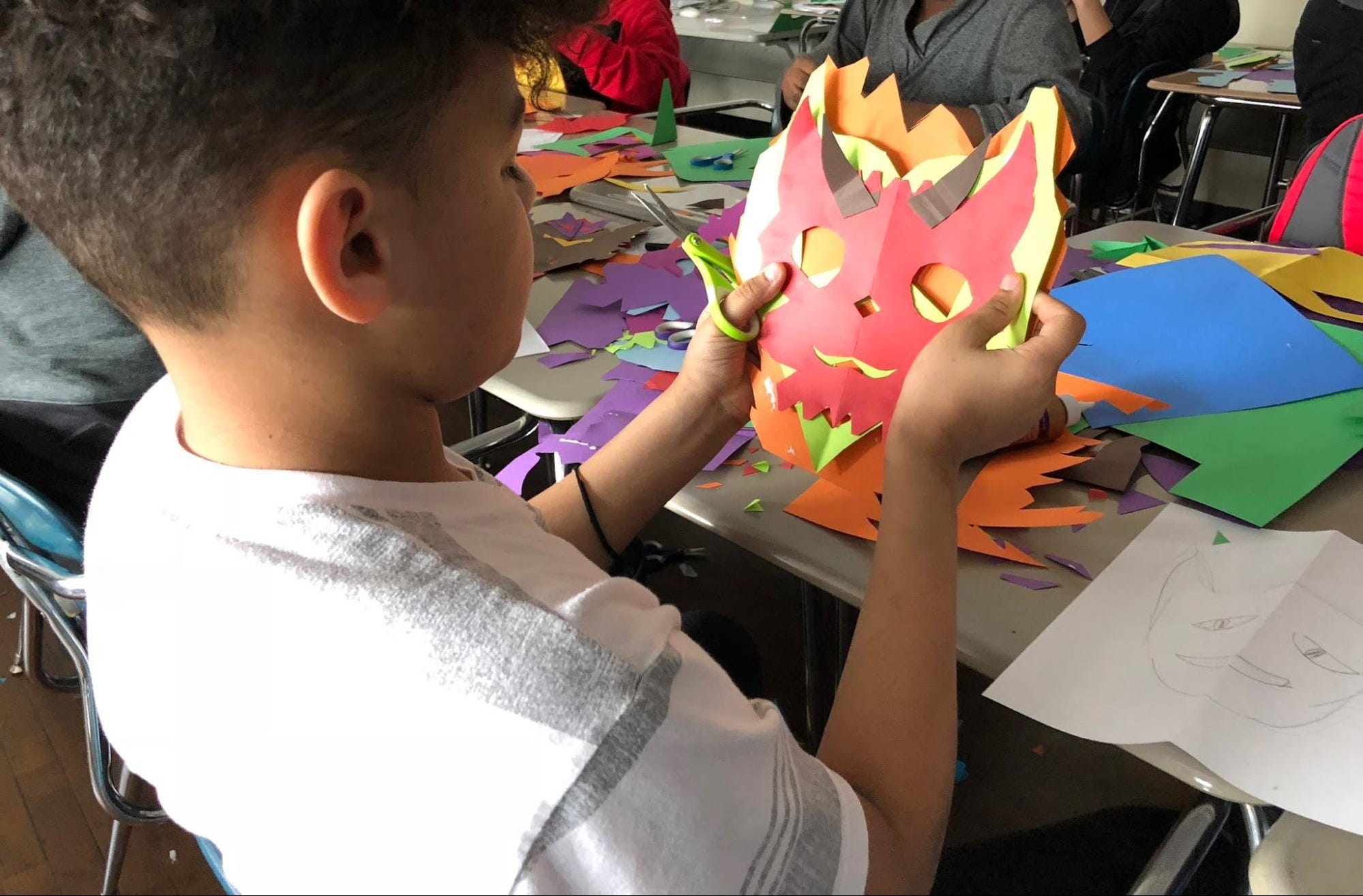
We demonstrated how to simply fold a paper in half, and like Matisse, begin “drawing with scissors.”2 When the paper is opened it reveals the first layer of a mask. We then cut up more paper in a similar manner and added layers on to the first. We showed how scraps from the table could be added to the masks for three dimensions.
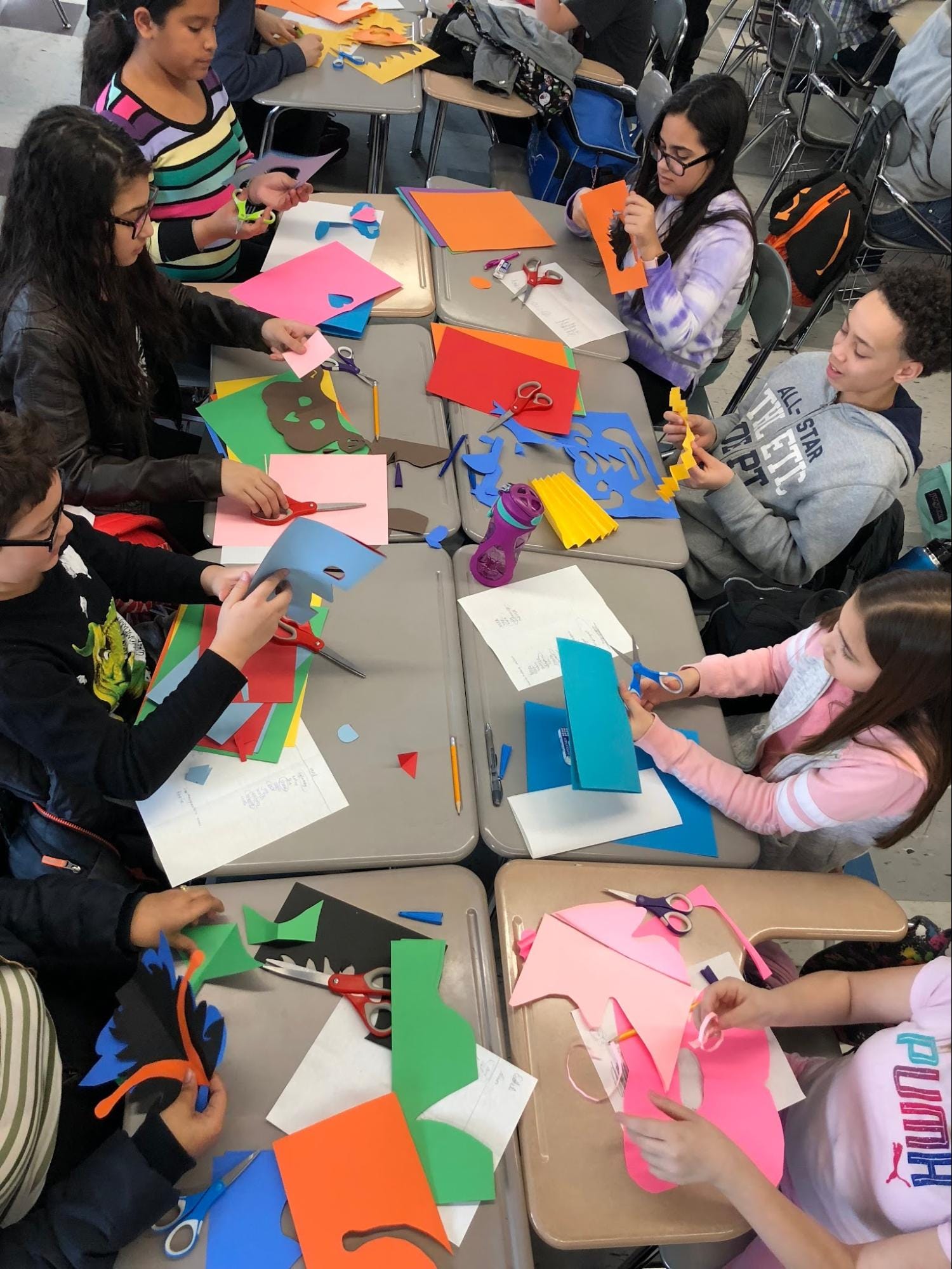
To create three-dimensional masks, students added layers of additional symmetrical designs. They also glued on scraps left behind after the initial cuttings.
Transforming the Classroom
After finishing the masks we gathered in a circle and each student presented their mask with their kenning. With each class we asked the students to look around the room to decide the best place to exhibit their work. You can see from the images the different choices the students made.
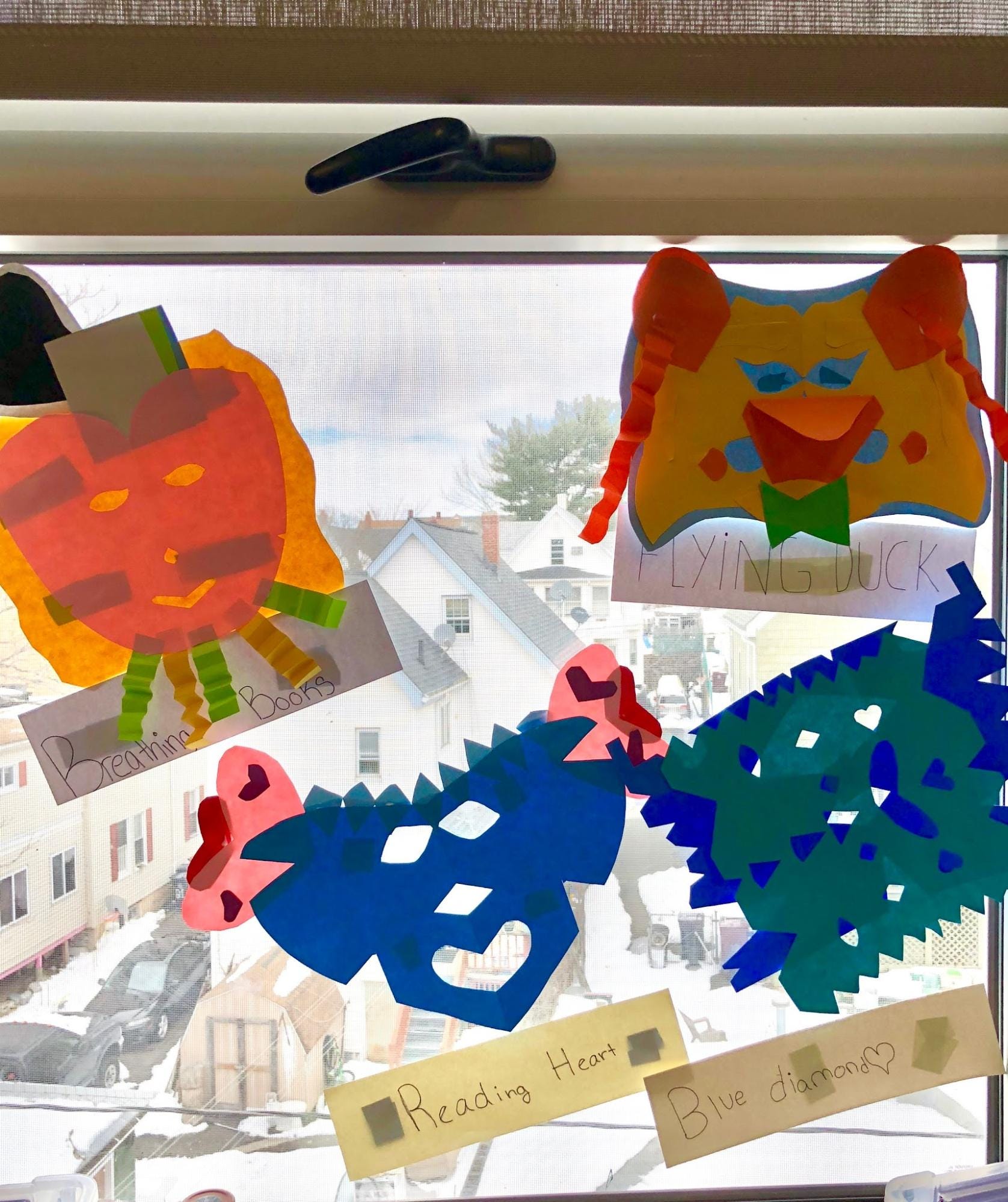
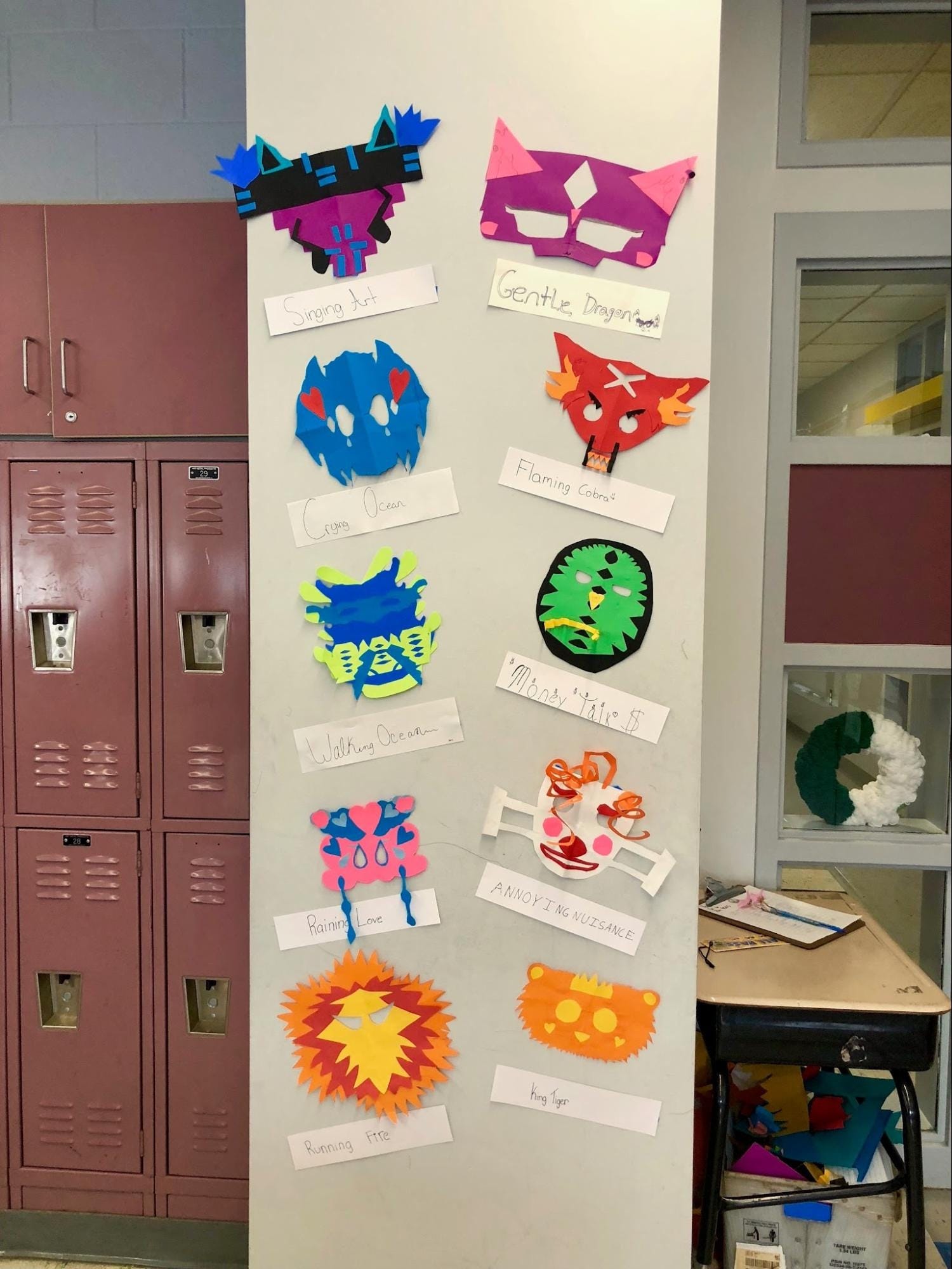
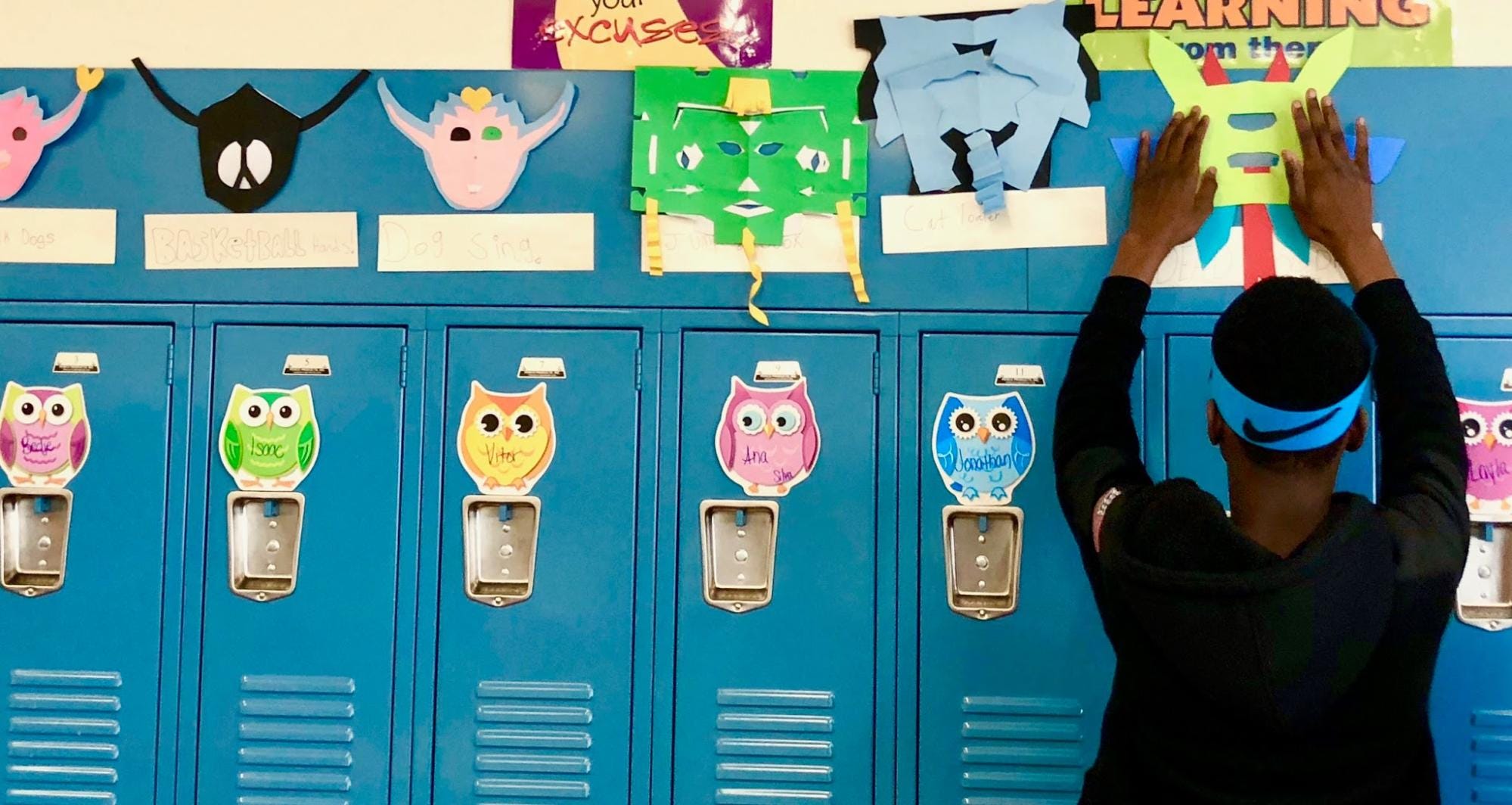
The image above of the lockers is the best example of how we might rethink our classroom spaces. Before, the teacher put an owl on each students’ locker and in the teacher’s handwriting wrote their name. Instead might students decorate their lockers with images that represent themselves and share some aspect of their identity with the larger community. We can also see the inspirational posters above the lockers starting to be replaced by the students own art-making.
Schools are big. Blank walls are everywhere. We can teach in institutional spaces, or, with the help of our students, transform them into beautiful, magical places to learn. In doing so, we show students that these spaces belong to all of us and that they too can “contribute a verse.”
This mask-making project was made possible with the support of Eileen Mackin and SmART Schools, an arts-integration organization based in New England, and in partnership with the Everett Public Schools.


Resources
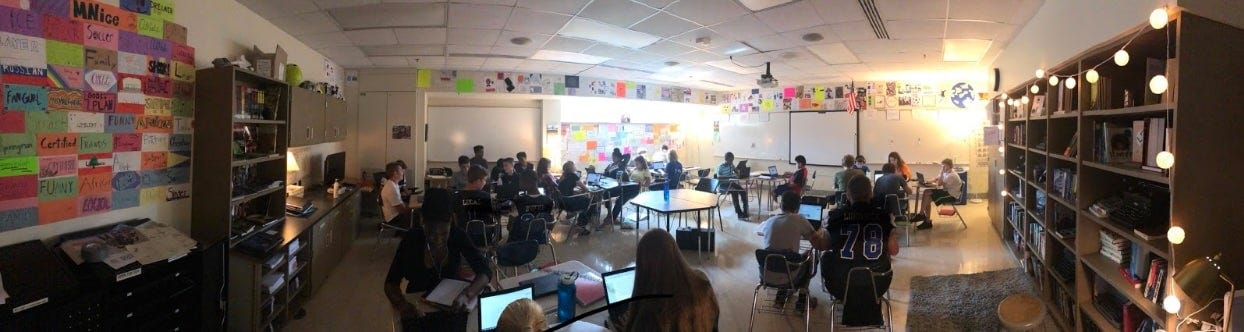
Before you Decorate Your Classroom. Here’s a Better Idea.
Read Tom Rademacher’s ONE WORD WALL idea here and his overall take on ways to “Show my students that this classroom is theirs, that they are welcomed and affirmed here”
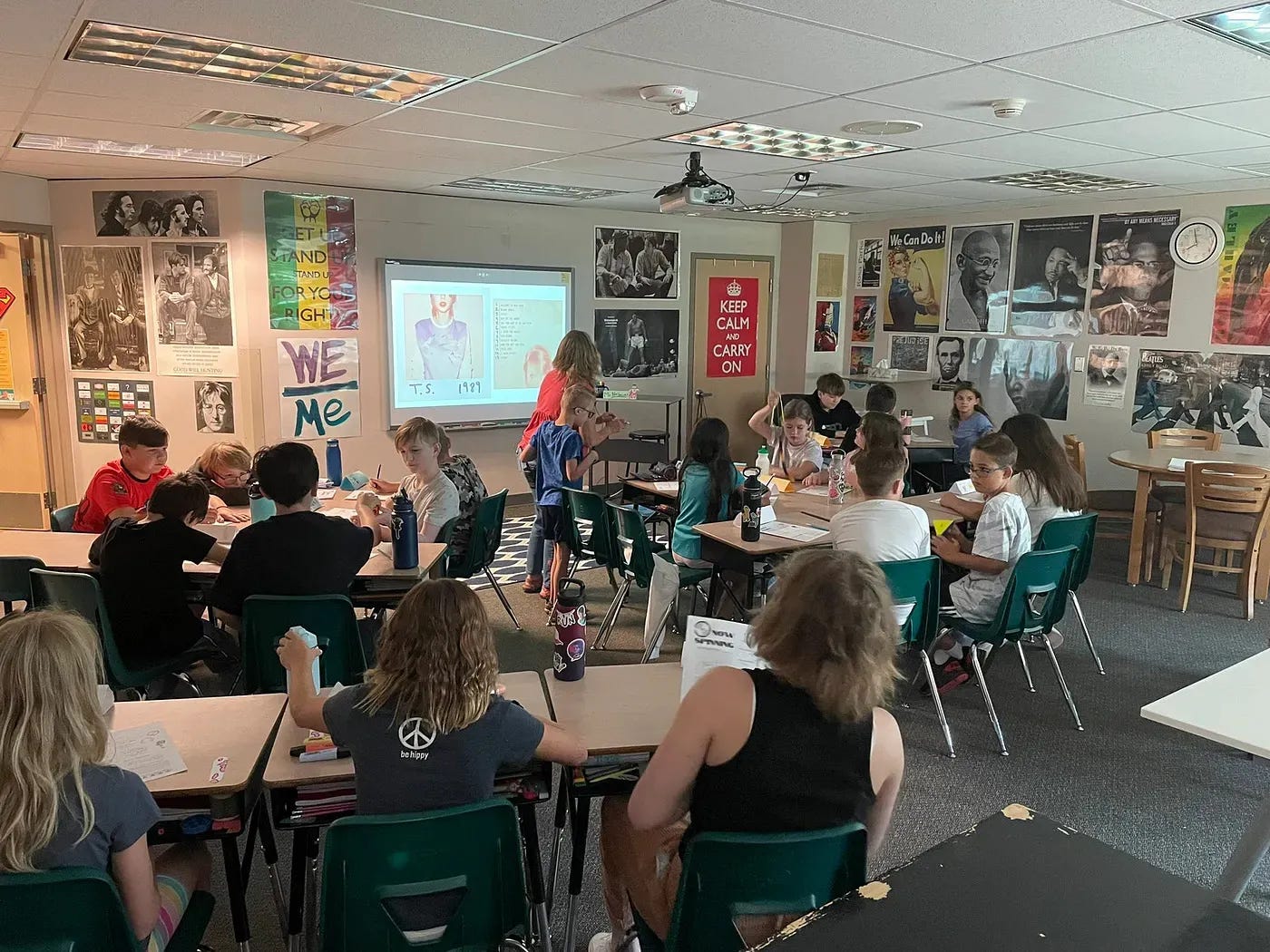
Now Spinning
We can transform spaces through sound as well. Read Adrian’s Newsletter article, Now Spinning, about how he sets up listening experiences with his students.
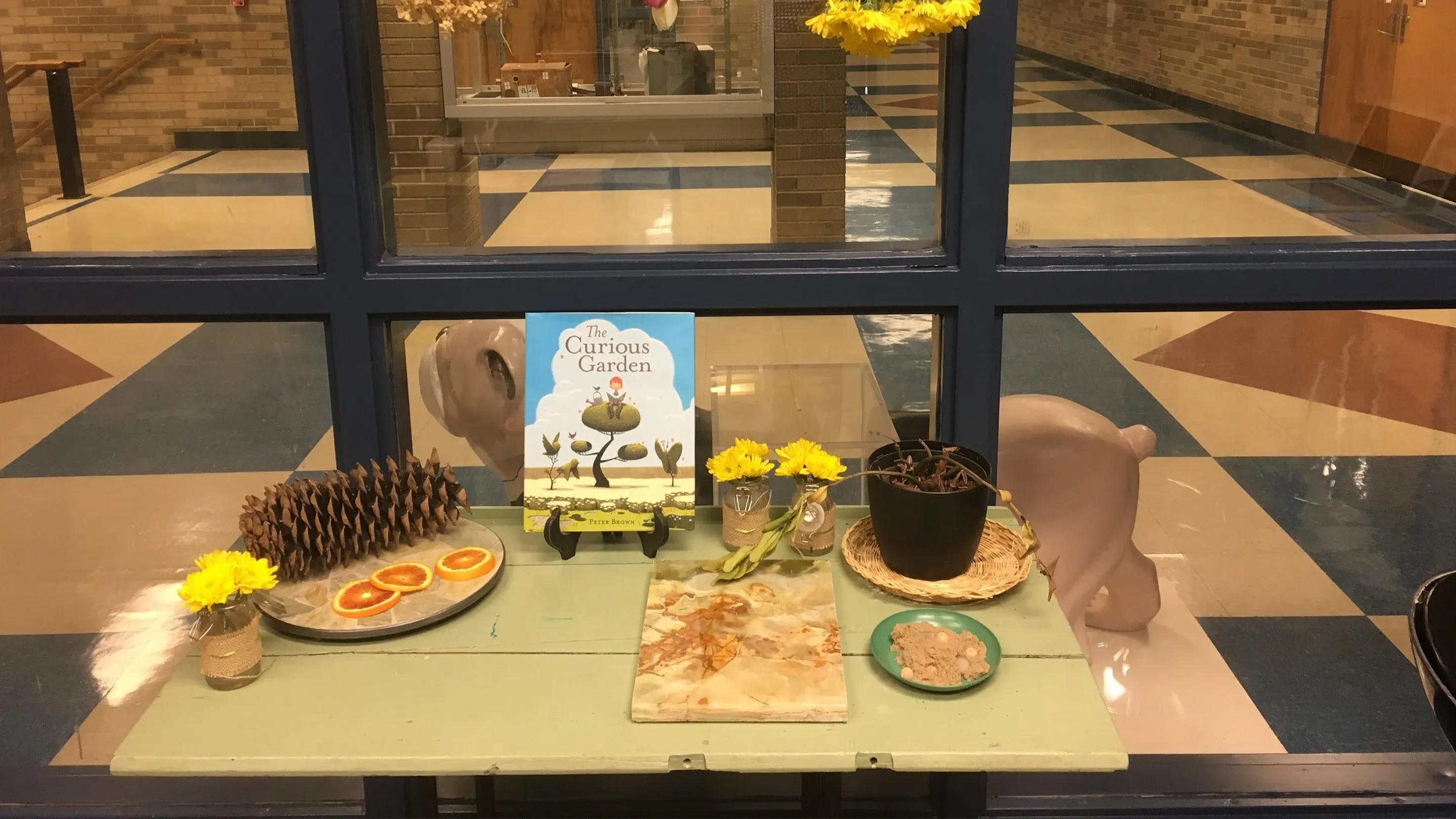
Designing Your Pre-K Classroom for Deeper Learning
Reggio Emilia, the pre-school program in Italy, is an inspiration for tranforming spaces at any grade level. This article by Abby Bucher highlights some important considerations.
Beautiful Work
Ron Berger in this short article encapsulates how important it is for students to intrinsically care about the work they do in schools and how we foster environmetns that encourage and honor students’ creation of “beautiful work.”
Via Dead Poets Society. Just watched it again last night with my daughter who saw it for the first time.
Although this project can work with regular construction paper, we typically use TRU-RAY construction paper because the colors are brighter. Additional required supplies are glue sticks and scissors.