

A critical aspect of our pedagogical approach at the Habla Teacher Institute is a concept we call “Entering Ideas, Concepts, and Texts.” This practice is in contrast to how we often abruptly ask students to read a text without context. The idea of “entering” means we introduce the world of the text which can include
situating the text in a historical and sociological context
introducing the author
teaching critical content necessary for understanding the text
introducing key vocabulary, phrases, or sentences
As I mentioned in a previous post, one of my favorite techniques for entering text is working with phrases and words before reading, as a way to help students become fluent with difficult vocabulary.
Each day of the institute we entered the focal text of the day through a different modality. On the first day we used Story Nuggets with small groups vocally performing a small portion of text. On the second day we piloted a new approach for entering text by vocally playing with the sounds of words. On the third day we created a three-part movement to introduce the text. The following process describes the second day’s approach—layering words and phrases on top of each other.
Layered Symphony with Words
Although we’ve orchestrated text and sound before (see the Symphony of Words activity), Darío Bernal Villegas, an improvisational musician from Mexico City, employed a multilayered approach to generating sounds from words. Darío has his own improvisation band in Mexico City, 7 Perros, and tours with Diego Luna creating found sounds behind his live theatrical performances and his Pan y Circo series on Amazon.
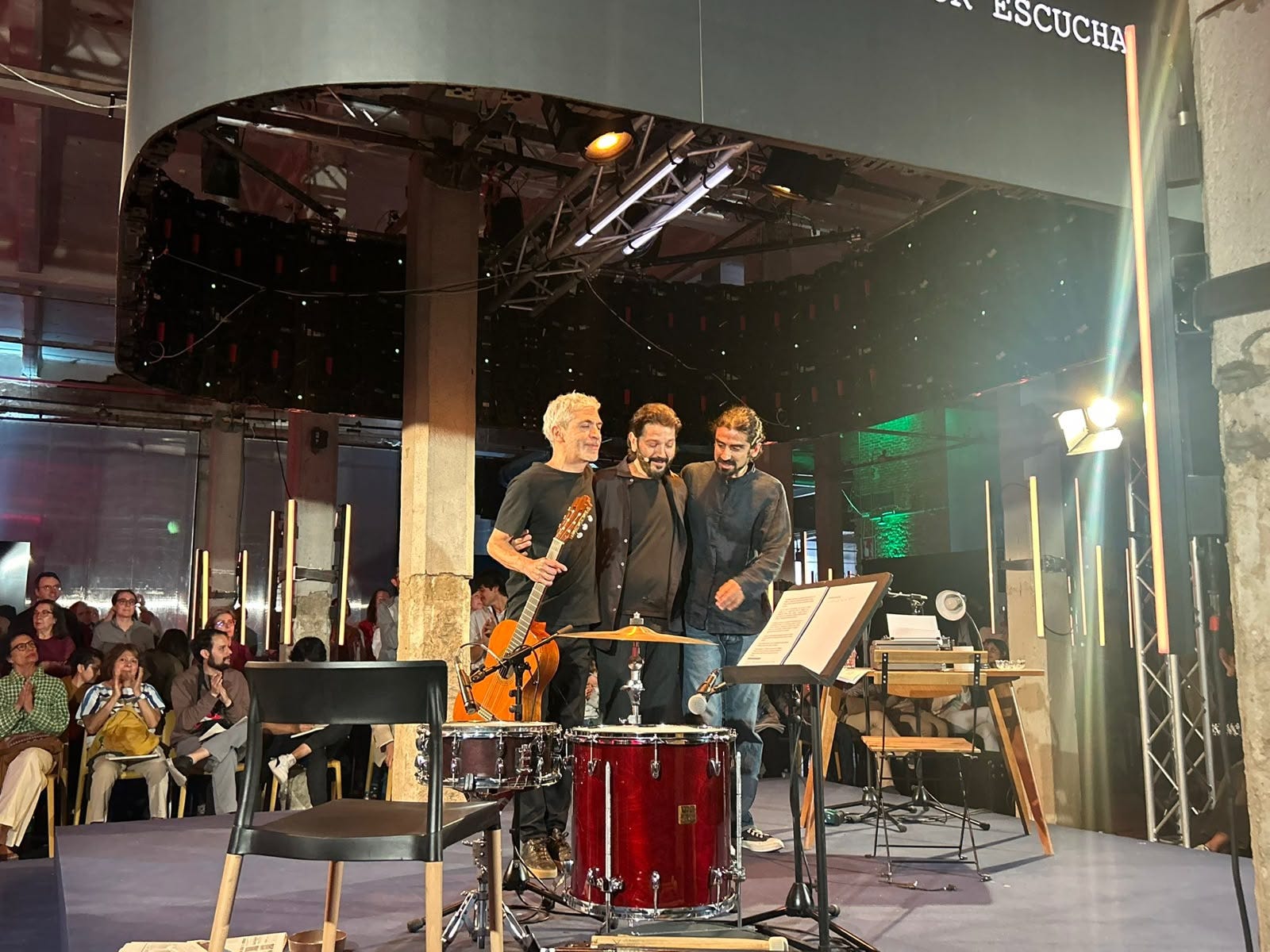
Darío is one of the most wildly creative people I know. When we work together he is always pushing the boundaries to create something new and to make the experience transformative for everyone in the room. This was certainly the case for the activity I’ll describe below.
The Lost Spells
On the second day we shifted to a different text by Robert Macfarlane, The Lost Spells.
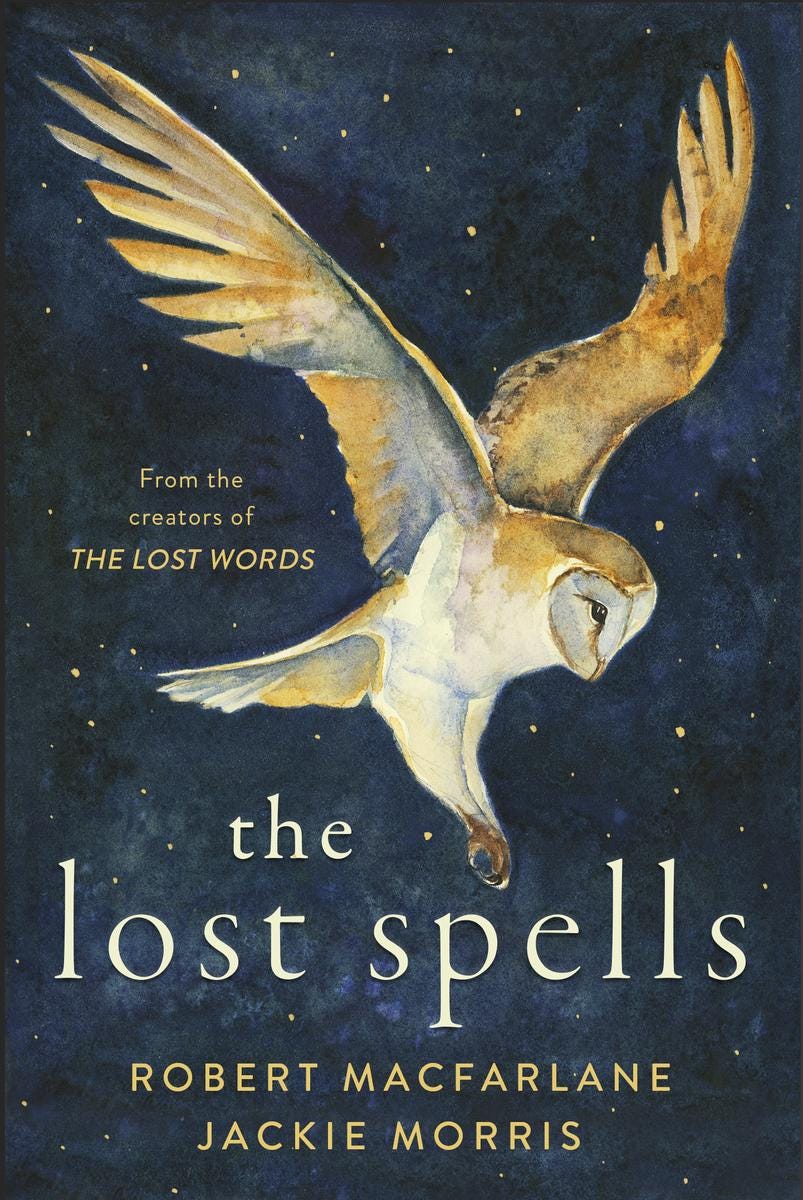
Similar to the structure of The Lost Words, our focal book for day one, the preface to The Lost Spells framed the focus of a trip we would take later that morning to a beach ecosystem on the Gulf of Mexico.
This is a book of spells to be spoken
aloud. It tells its stories and sings its
songs in paint and word. Here you
will find incantations and summoning charms,
spells that protect and spells that protest,
tongue-twisters, blessings, lullabies and psalms.
Here you might swoop with a swallow, follow
a seal through the sea or sky-race with swifts.
Here you can listen with owl ears and watch
with the eyes of an oak. Here a fox might
witch into your mind, or flocks of moths may
lift from the page to fill the air.Loss is the tune of our age, hard to miss and
hard to bear. Creatures, places and words
disappear, day after day, year on year. But
there has always been singing in dark times—
and wonder is needed now more than ever.
‘To enchant’ means both to make magic and to
sing out. So let these spells ring far and wide;
speak their words and seek their art, let the wild
world into your eyes, your voice, your heart.
The Process
Prepare words and phrases. He first decided on the words and phrases he would use. Each table of about six participants was given a different phrase from the text in English or Spanish (here are the words and phrases he selected to work with).
One word per table. In addition to the phrase, Darío then gave a word to each table. He turned the word into a rhythm and asked each table to repeat the rhythm, creating a foundational sound. For instance, he said the word “owl” to a table, then directed them in the repeated sound, “ooooooooooooowl, oooooooooowl, ooooooowl . . .”
One phrase per table. He then gave each table a sentence from the text on a slip of paper. Each table practiced reading their sentence at the same time, in chorus.
For instance, one table received the line, “To ‘enchant’ means both to make magic and to sing out.”
The Word Symphony. Directing from the front of the room, groups at tables would either continually repeat the sound of their word or read their entire phrase. It’s easier to witness in action in the video below. You’ll also hear a mixing of Spanish and English since half the groups received words/phrases in one language or the other.
From Mérida to Chicago
The following week we were leading a teacher institute in Chicago focused on the book Xolo by Donna Barba Higuera. Higuera retells the Mexica story of Quetzalcoatl retrieving the bones of humans from the deity Mictlantecuhtli. As you might imagine, many of us had difficulty pronouncing the names of the Aztec gods, even if we spoke Spanish, since the names are in Nahuatl. Darío showed the names of the gods on a slide and led us in a similar exercise of repeating sounds from the parts of the names. The repeated experiences with the vowels and consonants of the words helped us to remember them and pronounce them correctly. Many phonics programs are methodical in their approach, but miss emphasizing the beauty of the language. We repeat, but we don’t have the opportunity to create. After witnessing Darío’s approach to singing and composing with the sounds of words, I believe we can do much better with how we help students learn and fall in love with language.
Epilogue
Later that morning in Mérida, we used the following phrase from The Lost Spells to frame our visit to the beach:
speak their words and seek their art, let the wild
world into your eyes, your voice, your heart.
We captured images, sounds, and words at the beach and used those to compose a soundscape of place and an exhibition of close observation.


