

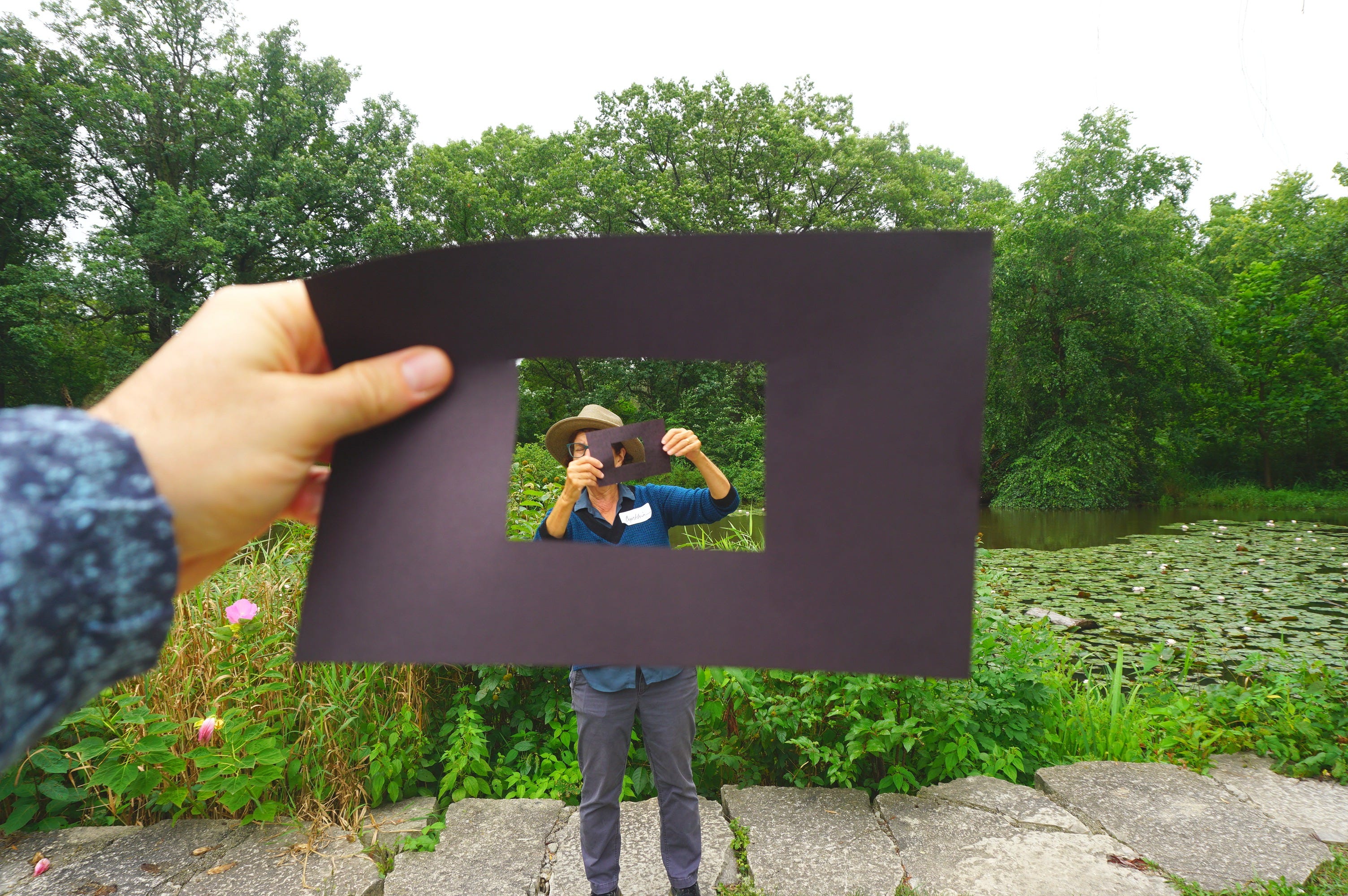
My high school students didn’t always have time to do the homework. As an English literature teacher, it was common practice to assign a chapter of homework every night, and, at the time not knowing any better, I did. A chapter of most books takes some time to read, even for the most fluent of readers. My students had after-school jobs, sports, theater or simply lives at home that made it difficult to complete their homework. I’ve written before about how we should rethink how we give homework in schools—but at the time my solution (inspired by my then professor Eileen Landay), was to focus on a small portion of text. Whether my students completed the assigned reading or not, I wanted them all to be engaged and to participate in the day’s class.
Since those early teaching days, I’ve used this approach of focusing on a small portion of text in numerous settings including classroom visits, teacher institutes, and workshops. There are several different “deep reading” techniques we’ve used to analyze text including Tip of the Iceberg. Framing Text, inspired by visual artist Cynthia Weiss’s activity of seeing the world through frames, is one of our most powerful approaches.
Engaging with Complex Texts
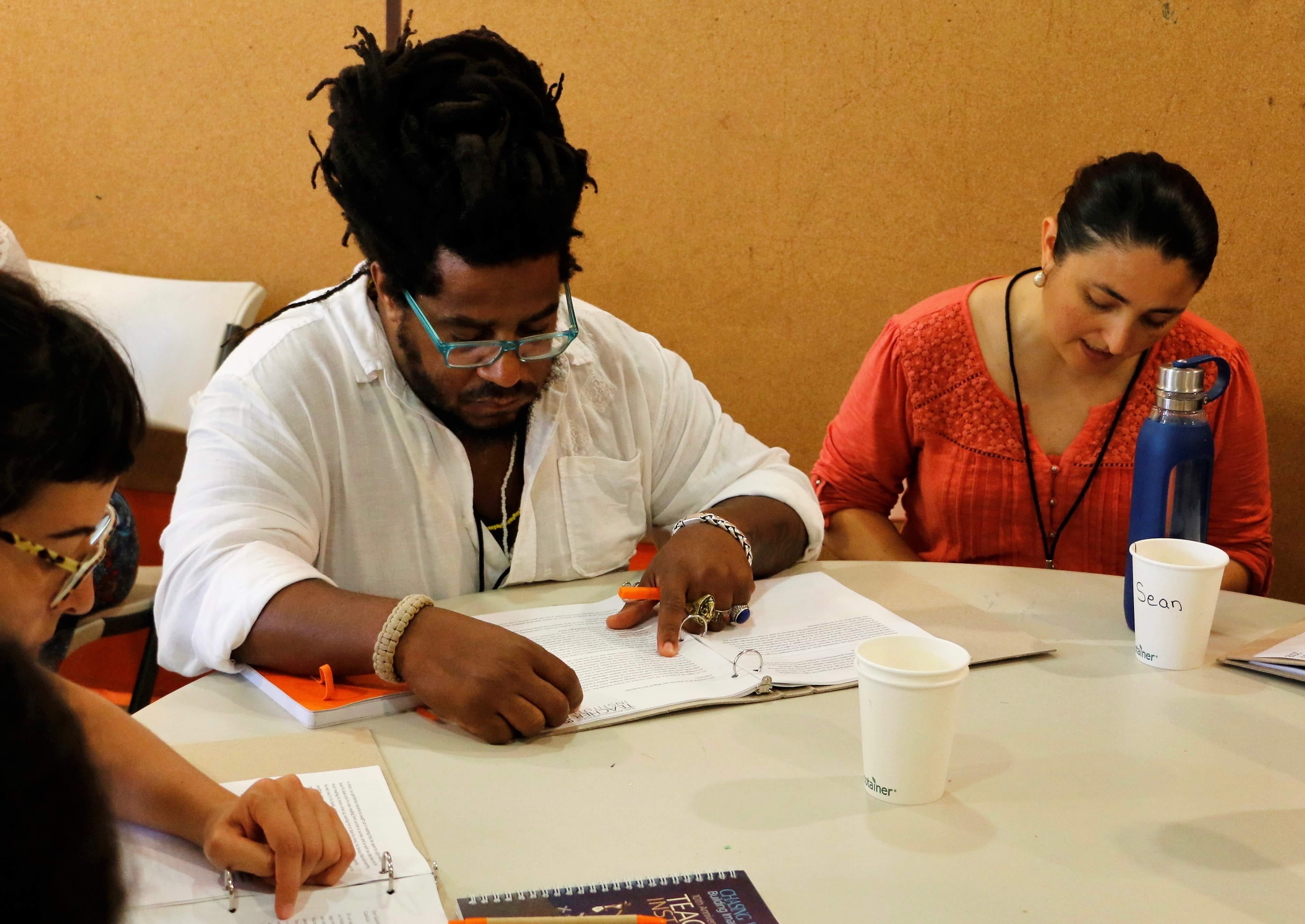
We’ve often used this approach with particularly complex texts. Working with high school students in St. Paul, Minnesota, we introduced them to Vladimir Nabokov’s Speak Memory. After working with the opening of the book, one student said, “Wow, now I really want to read this book!” and let me tell you, Nabokov’s opening doesn’t inspire most students to want to read more!
The cradle rocks above an abyss, and common sense tells us that our existence is but a brief crack of light between two eternities of darkness. Although the two are identical twins, man, as a rule, views the prenatal abyss with more calm than the one he is heading for (at some forty-five hundred heartbeats an hour).
At the Habla Teacher Institute we chose as our anchor text, Don Quixote by Miguel de Cervantes. Donald King, former Artistic Director of the Providence Black Repertory Theatre, said, “I never liked that book. I’ll even venture to say I hated it when we read parts of it in college. That approach to just the first paragraph made me see the intricacies, possibilities, and even beauty in the text.”